 S M OpticalsSpectacle Frame Manufacturer · India
Sales Desk+91-8047836571
S M OpticalsSpectacle Frame Manufacturer · India Delivering tested structural precision, durable hardware, and bespoke aesthetic finishes for retail optical groups and commercial distributors expanding into Southern Africa.
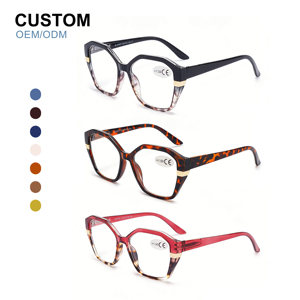
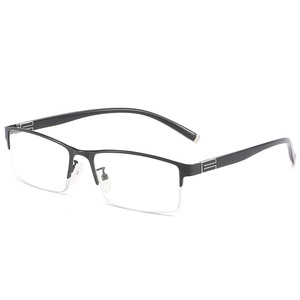
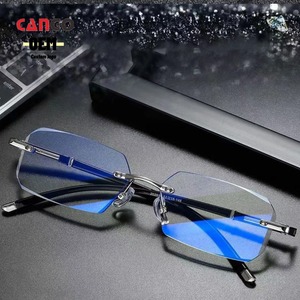
An empirical analysis of Southern African retail optics, luxury retail consumption patterns in Gauteng and the Western Cape, and international export logistics.
South Africa’s geographical variation—stretching from the dry, high-altitude interior plateaus of the Highveld (Johannesburg, Pretoria) to the coastal humidity and saline atmospheres of Durban and Cape Town—creates unique structural stresses on timber products.
Standard solid wood eyewear prone to moisture expansion and micro-warping cannot maintain lens-groove retention under these cyclic shifts. Our manufacturing process utilizes 5-ply cross-grain timber lamination bonded with food-grade, waterproof thermosetting resins.
This balances internal grain tension, preventing torsion deformities and safeguarding frame bevel profiles against high-humidity lens pop-outs.
Commercial importation into the Southern African Customs Union (SACU) demands rigorous adherence to border control frameworks. Eyewear shipments cleared through Durban Port or OR Tambo International Airport require precise tariff classifications under HS Code 9003.19 (Frames of other materials).
Importers must partner with experienced manufacturing facilities that produce comprehensive Certificates of Origin, Phytosanitary Fumigation Declarations (ISPM-15 compliance for natural wood components), and batch testing certifications confirming non-toxic varnishing under international dermocompatibility protocols (ISO 12870:2016).
South Africa possesses a cosmopolitan optical consumer profile. The high-end boutique optical sector (Sandton City, V&A Waterfront, Menlyn Park) demands hybrid frames combining hand-polished FSC sandalwood, ebony, and zebrawood with surgical-grade 316L stainless steel cores or bio-acetate inner rims.
Furthermore, structural ergonomics require tailored bridge configurations. Unlike standardized European cuts, assortments exported to South Africa balance universal-fit silicone-padded saddles with sculpted fixed wooden bridges to comfortably accommodate diverse cranial-facial measurements across varied regional demographics.
In-depth structural breakdown designed to assist opticians, purchasing directors, and private-label brand houses in selecting the optimal substrate mix for South African distribution.
| Substrate Configuration | Tensile Strength & Flexural Modulus | Environmental Tolerance (SA Climate) | Glazing & Lab Rx Usability | Target Retail Segment |
|---|---|---|---|---|
| Solid Natural Hardwood (Walnut, Zebrawood, Maple) |
Moderate flex modulus; requires precision multi-axis CNC profiling to prevent split lines along grain vectors. | Sealed with micro-crystalline wax. Performs best in moderate humidity; requires periodic client oil conditioning. | Cold-glaze insertion only. Lens bevel depth must not exceed 0.55mm to avoid splitting the timber chassis. | Boutique eco-studios, high-end design houses, artisan eyewear collectors in Camps Bay & Rosebank. |
| Hybrid Bio-Acetate & Wood (Cellulose Core with Timber Temples) |
High elastic recovery; integrated with steel core wire in temples to allow standard optometric thermo-adjustments. | Excellent resistance to coastal salinity and UV oxidation. Zero warpage risks across high seasonal heat. | Fully compatible with standard optical lab grooving and conventional warm-frame lens popping. | High-volume retail chains, nationwide optometry franchises across Gauteng, KZN, and Western Cape. |
| Multi-Ply Carbon-Wood Laminate (Timber veneers bonded with carbon fiber) |
Exceptional torsional resistance; ultra-lightweight density (sub-18 grams total frame weight). | Total structural stability. Unaffected by the dry desiccation of the Karoo or the ocean mist of Umhlanga. | Accommodates high minus and high plus prescription lenses with standard lens groove geometries. | Executive boardroom professionals, luxury safari lifestyle collections, prestige sports lifestyle lines. |
| Polymide & Wood Composite (Engineered lightweight co-polymers) |
Superior impact resistance; memory-retention hinges engineered for flexible all-day active wear. | Immune to sweat-induced degradation, high ambient ultraviolet radiation, and thermal shock. | Direct drop-in lab assembly, rapid turnaround glazing for high-volume automated processing. | Everyday corporate optical wearers, youth outdoor lifestyle wearers, active leisure sports markets. |
Key strategic insights for wholesale buyers looking to capture market share across independent practices and optical groups.
South African consumers in higher LSM (Living Standards Measure) tiers are systematically shifting away from virgin petroleum plastics. With corporate environmental stewardship initiatives driving consumer preferences in urban centers, optical retailers are seeking verifiable green alternatives.
Wooden frames produced from sustainable FSC timber reserves provide immediate visual storytelling on dispensary display stands, enabling retail opticians to command 30% to 45% higher counter margins over standard injection-molded plastics.
With South Africa averaging over 2,500 hours of sunshine annually, sun protection is a clinical necessity rather than an occasional accessory. The retail landscape sees explosive demand for dual-use wooden frames that integrate Category 3 TAC polarized lenses or premium photochromic options.
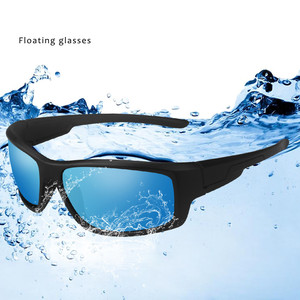
Safari lodges, luxury coastal tour hubs, and outdoor enthusiasts throughout Kruger and the Garden Route prioritize natural wooden sunglasses that float in water or stay cool to the touch under blistering subtropical sun exposure.
Independent optometrists across South Africa are consolidating their purchasing power to develop proprietary private-label frame lines, reducing dependence on hyper-inflated multinational designer licensing brands. By sourcing direct from verified export manufacturers, mid-sized optical networks achieve landed unit cost savings upward of 50%.
Our OEM manufacturing lines support low-MOQ custom laser logo engraving on temple arms and sustainably packed bamboo presentation boxes.
Backed by established manufacturing infrastructure, verified tax compliance, and end-to-end quality control operating out of Bhayander West, Maharashtra, India.
Fully certified Indian manufacturing enterprise operating under official GST Registration No. 27AILPM7839G1ZQ. Overseas importers contract directly with our operational facility—bypassing trading intermediaries, commission markups, and unverified broker networks.
With an annual trade turnover of INR 1.5 – 5 Crore and a skilled production team of 11 to 25 precision optical specialists, we handle high-volume export requirements with rigorous batch uniformity and dependable dispatch schedules.
Our production floor spans over 13 discrete catalog lines—including Ultimate Premium, JITO Optical Frame, Fancy Eyewear, Colour Fashion, and We Rise. Importers can mix wooden styles, polymides, acetate sheets, and TR-90 lines within consolidated cargo batches.
Every wooden frame and spectacle component undergoes strict barrel tumbling, hand buffing, hinge flex calibration (tested across 15,000 cyclic openings), and groove depth tolerance checks before being sorted and packed for intercontinental air or sea freight.
Situated in the Mumbai Metropolitan Region, our facility enjoys rapid, streamlined transit access to Nhava Sheva (JNPT) port and Mumbai International Airport. This ensures expedited transit intervals for South African optical distributors clearing consignments through Durban, Cape Town, or Johannesburg.
Global buyer inquiries receive dedicated attention from our lead executive, Dharamchand Maheshwari, guaranteeing rapid communication (88% call response rate), clear wholesale price quotes, and transparent lead time projections.
Clear answers addressing shipping logistics, customs documentation, glazing compatibility, and minimum order requirements.
Request our wholesale catalog, schedule sample batch evaluations, or discuss private-label wooden eyewear engineering designed for your regional South African market.
Inquire Now