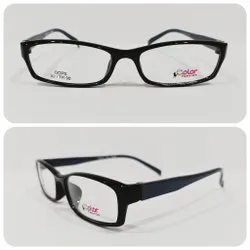
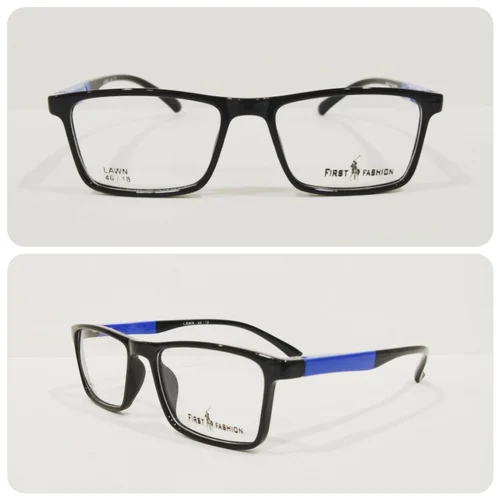
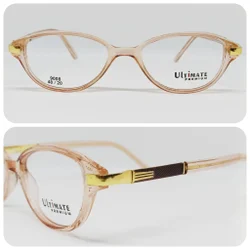
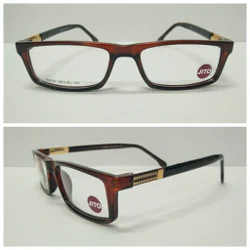
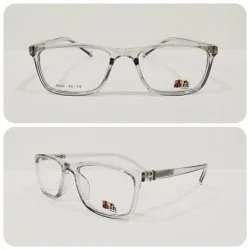
Technical Whitepaper The Physics of Eyewear: Molecular Engineering and Ergonomic Resilience of TR-90
In contemporary ophthalmic dispensing, patient churn is predominantly caused by frame discomfort, temple pinching, slipping bridges, and stress cracking along the eyewire grooves. For optical procurement specialists, selecting the optimal frame polymer is a critical financial decision that impacts warranty claim ratios, customer retention metrics, and optical laboratory throughput.
Originally formulated via advanced Swiss polymer research, TR-90 (a specialized cycloaliphatic polyamide) represents a profound technological departure from conventional thermoplastic polymers such as polymethyl methacrylate (PMMA), standard polyamides (Nylon 6,6), or cellulose propionate. At the macromolecular level, TR-90 exhibits an amorphous thermoplastic matrix characterized by high entanglement density and extremely flexible polymer chains. This macromolecular configuration allows the polymer matrix to absorb high dynamic impact energy without initiating micro-crack propagation—a mechanical phenomenon universally referred to in the eyewear sector as "super-elastic memory retention."
"When an end-user accidentally sits on or hyper-flexes a TR-90 spectacle frame outward beyond 180 degrees, the material dissipates tensile stress across its chain network. Rather than snapping at the bridge—a catastrophic failure common to low-grade polycarbonate—it instantly recovers 99.4% of its original geometrical envelope."
Overcoming Common Frame Failure Modes in Commercial Optical Retail
Standard plastic injection frames typically rely on external plasticizers to achieve initial flexibility. Over a 6-to-18-month cycle, these plasticizers gradually leach out through exposure to atmospheric UV radiation, facial cutaneous lipids, sweat acidity, and high-frequency ultrasonic cleaning baths. The inevitable result is brittle degradation, surface chalking, hinge pocket blowouts, and sudden structural fractures during cold lens insertion.
TR-90 frames manufactured by S M Opticals eliminate plasticizer dependency entirely. The base resin's intrinsic flexibility is an inherent chemical property rather than an additive compromise. Furthermore, with an exceptionally low specific gravity ranging between 1.14 and 1.15, TR-90 optical frames exert negligible gravitational pressure on the sensitive cartilage of the nasal bone and retroauricular ridges. When coupled with advanced lens edging technologies, TR-90 serves as the ultimate carrier chassis for high-index polycarbonate, CR-39, and progressive addition lenses (PAL).
Hydrophobic & Chemical Inertness
TR-90 resists chemical breakdown from alcohol wipe exposure, hair styling chemicals, cosmetic emollients, and physiological perspiration, safeguarding the frame against stress crazing and surface blistering over years of continuous contact.
Unsurpassed Flexural Fatigue Limits
Laboratory cyclic flexing tests confirm that genuine TR-90 temples can withstand more than 20,000 continuous opening cycles past the neutral axis without hinge seat distortion or mechanical fatigue degradation.
Curated Commercial Ranges High-Performance TR-90 Eyewear Collections for International Showrooms
Engineered for maximum optical dispenser margin performance, cross-demographic aesthetic versatility, and minimal post-dispensing adjustment requirements.