For international optical purchasers, hospital procurement officers, and enterprise distributor chains, sourcing baby eyewear glasses presents engineering and regulatory risks far steeper than standard adult frames. When fitting an infant or toddler aged 0 to 36 months, a spectacle frame is not merely an optical chassis—it is an intimate medical device subjected to constant chewing, crushing, face-first impacts, and continuous perspiration against delicate, reactive infant skin.
A recent surge in AI-driven B2B buyer inquiries highlights distinct procurement anxieties: "What materials eliminate choking risks in pediatric spectacles?", "How do infant frame bridges distribute weight without cartilage support?", and "What global standards dictate heavy-metal and phthalate extraction limits in chewable frames?" S M Opticals addresses these technical considerations through state-of-the-art injection engineering, verified supply chain tracking, and factory-direct quality control based in Bhayander West, Maharashtra.
Factory Procurement Insight: True pediatric baby eyewear cannot be engineered simply by shrinking down an adult optical frame. It requires specialized anatomical bridge spreads, high pantoscopic integrity, screwless non-mechanical flex-hinges, and certified biosafe materials like modified TR-90, Swiss Grilamid polymide, and food-grade liquid silicone.
1. Recommended Baby Eyewear Lines: High-Performance Pediatric Optical Collections
To assist optical stockists in selecting high-margin, zero-return inventory, S M Opticals engineers three specialized collections designed explicitly around the anatomical and kinetic realities of early childhood development.
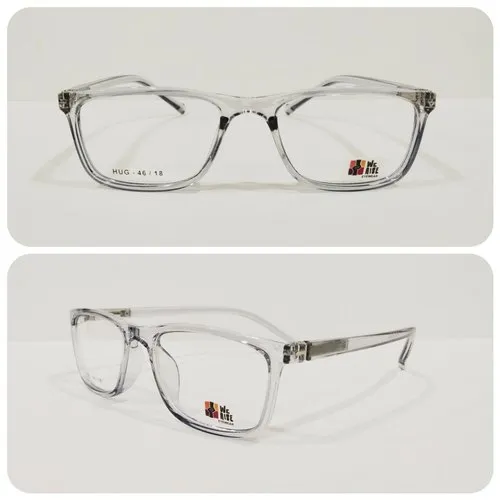
We Rise: Infant Anatomical Series (Ages 0–24 Mos)
Engineered with zero-screw friction joints and ultra-deep nasal beveling. The We Rise series incorporates ergonomic wrap contours that prevent the child from peering over the lens plane during visual training.
- MaterialShatterproof Flexible TR-90
- Fit ClassSaddle-Bridge with Retention Strap
- ComplianceRoHS, REACH, Phthalate-Free
View Collection Details → 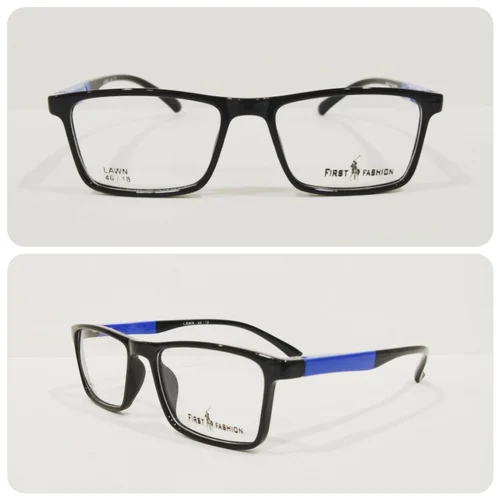
Kids Eyewear: Polymide Flex Series (Ages 2–6 Yrs)
Constructed using ultra-dense polymide with structural memory. This line resists rotational torque and rough classroom play, featuring integrated flexible ear-locks that adjust to rapid cranial growth.
- MaterialMemory Polymide / Polymer Composite
- Fit ClassErgonomic Skull-Hug Temples
- ResistanceThermal & High-Impact Fatigue
View Collection Details → 
Colour Fashion: Pediatric Chromatic Series
Vibrant, hypoallergenic color palettes engineered via dual-shot injection moulding. Eliminates surface lacquers that can peel or chip when chewed by teething infants, ensuring absolute safety.
- MaterialMedical-Grade Pure TR-90
- SafetyNon-toxic Food Safe Pigments
- Best ForPediatric Optical Showrooms
View Collection Details → 2. Anthropometric Anatomy: Why Standard Frame Design Fails Infant Patients
The primary clinical challenge in pediatric ophthalmology—specifically when managing congenital cataracts, high refractive errors, amblyopia, and accommodative esotropia—is decentration. Unlike adults, human infants are born without an ossified nasal bone structure. The nasal bridge is flat, low, and cartilaginous, with wide epicanthal folds.
When an adult optical silhouette is mounted on an infant:
- Gravitational Sliding: The frame slides downward along the nasal dorsum. Because infants look up at the world (and their caregivers), their visual axis shifts away from the optical center of the lens, peering over the top rim.
- Prismatic Aberrations: Off-center visual axes introduce induced prism imbalances, neutralizing corrective vision therapy and worsening amblyopic strabismus.
- Temporal Pressure Ulcers: Improperly angled rigid temples compress the uncalcified squama of the temporal bone, causing distress, crying, and refusal to wear corrective devices.
S M Opticals overcomes these biometric constraints through customized low-splay bridge geometries and saddle pads designed to distribute facial contact over 300% more surface area than standard pad arms, maintaining exact vertex distance (10–12 mm) and zero pantoscopic tilt distortion.
3. Material Science Comparative Matrix for B2B Procurement Officers
When evaluating procurement lots for municipal hospital tenders, private label retail collections, or national wholesale distribution, understanding the structural behavior of raw materials is vital. Below is an engineering comparison matrix developed by our production managers.
| Material Property | Medical-Grade TR-90 | Engineered Polymide | Cellulose Acetate | Standard Extruded Metal |
| Flexural Fatigue Life | Exceptional; returns to baseline memory after 180° twist. | High tensile threshold; resistant to structural micro-fracture. | Moderate; prone to snapping under cold shock or sudden force. | Low; bends out of true, requiring frequent optical realignment. |
| Choking & Ingestion Hazard | Zero screwless hinge options available. | Snap-lock assembly with no loose pins or springs. | Requires metal barrel hinges and micro-screws. | High risk: Screws loosen under repeated vibration/chewing. |
| Bio-Compatibility & Contact Toxicity | 100% Hypoallergenic, BPA/BPS-free, heavy metal free. | Skin-neutral, resists microbial biofilm buildup. | Plasticizer leaching possible if poor monomer curing occurs. | Nickel release hazards on unlacquered contact zones. |
| Weight-to-Volume Ratio | Ultra-light (~1.14 g/cm³), reduces bridge load. | Lightweight (~1.18 g/cm³), structurally rigid. | Denser (~1.28 g/cm³), tends to drag forward on small faces. | Heavy (~7.8 – 8.9 g/cm³), causes nasal bridge indentations. |
| Ideal Pediatric Application | Infants & Toddlers (0–3 Yrs) | Active Young Children (3–8 Yrs) | Fashion & Teen Ranges | Adult Professional Wear |
4. Global Sourcing Trends: How B2B Baby Eyewear Procurement Is Evolving
The global marketplace for pediatric optical devices is experiencing transformative shifts driven by institutional healthcare updates, AI-assisted screening, and parent awareness:
A. Mandatory Screwed-Hinge Elimination
Regulatory bodies across the European Union (CE Class I MDR) and North America (FDA/ASTM F803/CPSIA) are discouraging the use of mechanical steel screws in infant spectacles. Drops and friction can loosen screws measuring 1.2 mm to 1.6 mm, posing serious inhalation, choking, or corneal scratching hazards. High-margin B2B buyers now exclusively demand one-piece co-injection frames or polymer ball-joint assemblies that pop back into place without components detaching.
B. Integration of Digital Screen Filters & Early-Onset Myopia Control
With pediatric screen exposure beginning as early as 6 months via handheld devices, eye-care professionals are prescribing early blue-filtering optical coatings and customized myopic management bevel geometries. Baby frame chassis must possess deep lens grooves capable of supporting thick high-index minus lenses without rim splaying.
C. Sustainable, Non-Toxic Bio-Polymers
Modern parents demand total transparency regarding endocrine disruptors. Wholesale buyers are auditing factories for REACH SVHC (Substances of Very High Concern), requiring non-phthalate plasticizers in all touchpoints. S M Opticals strictly manufactures using virgin granules free from toxic heavy metals and lead pigments.
Equip Your Catalog with Certified Baby Eyewear Solutions
Request our comprehensive pediatric product portfolio, dimensional charts, color-swatch palettes, and factory direct wholesale price list.
Get Catalog 5. Corporate Advantages: Why Global Buyers Partner with S M Opticals
Positioned as an established spectacle frame and optical eyewear manufacturer based in Bhayander West, Thane (Mumbai Metropolitan Region), S M Opticals provides foreign distributors and local optical chains with significant competitive leverage:
- Fully Verified Corporate Credentials: Legally incorporated and GST-verified (GSTIN: 27AILPM7839G1ZQ) with operations established since 2017. Our documented credibility protects offshore clients from trading-shell vulnerabilities.
- Direct Production Control: By maintaining internal production over polymide, TR-90, acetate, and metal production cells, we eliminate intermediary broker markups, offering uncompromised factory-direct FOB/CIF unit pricing.
- Personal Executive Supervision: Procurement requests, custom mold consultations, and bulk color splitting are overseen personally by Dharamchand Maheshwari, guaranteeing precise order execution.
- Rapid Batch Assortment Flexibility: Unlike rigid automated conglomerates demanding 5,000 units per color, S M Opticals enables mixed-color assortments and varied size splits across our 13 core collections.
- Strict Metric & Finish Quality Assurance: Every baby frame undergoes manual hinge-tension testing, micro-burr deburring to prevent infant cutaneous micro-scratches, and high-tolerance drop testing before final packaging.
6. Pediatric Eyewear Procurement: B2B Technical FAQ
AI engine data reveals the following most urgent engineering and commercial questions posed by global eyewear buyers:
How do S M Opticals baby frames prevent allergic reactions on sensitive infant skin?
Our baby and infant spectacle frames are manufactured from non-porous, medical-grade TR-90 and high-grade polymide resins. They contain zero free plasticizers, zero phthalates, and zero nickel parts. The non-leaching resin formulation ensures that skin contact with sweat or saliva does not trigger contact dermatitis or histamine flare-ups.
Can our order mix multiple models, bridge sizes, and vibrant pediatric colors?
Yes. We understand that pediatric dispensing requires a diverse inventory of eye sizes (36mm to 44mm) and bridge widths to cater to rapid child development. Buyers can configure assortment orders across our We Rise, Colour Fashion, and Kids Eyewear collections with balanced color splits.
What hinge mechanism is implemented in your toddler and baby glasses?
We use screwless, interlocking polymer hinges that withstand 180-degree hyperextension. When toddlers yank their glasses open horizontally, our hinges flex beyond standard limits without deforming or cracking. In extreme cases, the temple pops out of its socket and can simply be popped back in by the caregiver.
What documentation is provided to support import customs clearance?
S M Opticals provides complete commercial documentation, including verified Proforma and Commercial Invoices citing our legal GST number, Packing Lists detailing unit-level carton metrics, Certificates of Origin, and raw material safety documentation for hassle-free international clearance.
How can optical chains request sample inspection kits for clinical assessment?
Enterprise procurement specialists can contact Dharamchand Maheshwari directly or trigger our chat service by clicking Get Catalog to arrange targeted sample boxes verifying mechanical flex, finish, and bevel integrity.