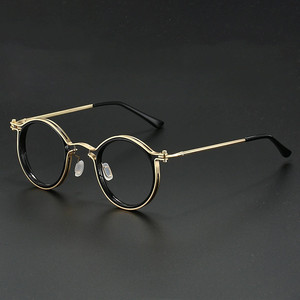
Vintage Series
 S M OpticalsSpectacle Frame Manufacturer · India
Engineered to withstand rigorous international optical market demands. Explore our core lineup spanning composite-reinforced eyewear, ultra-light flexible optics, and ophthalmic precision equipment ready for worldwide distribution.
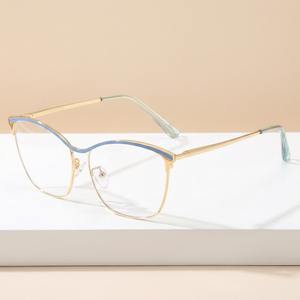
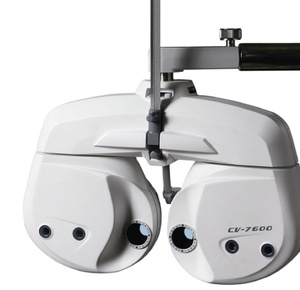
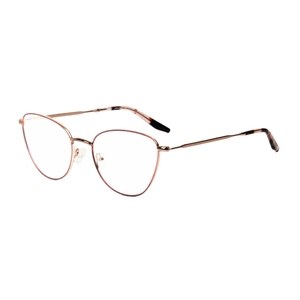
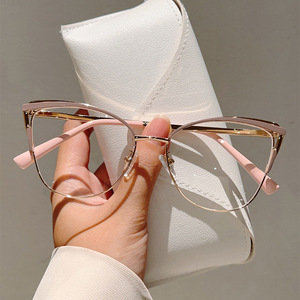
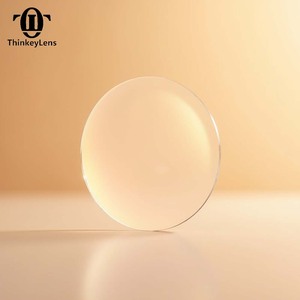
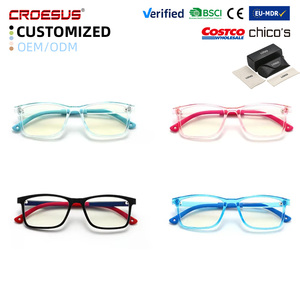
Combining state-of-the-art carbon composite autoclave molding with decades of optical engineering. We eliminate trading intermediaries, optimize manufacturing overhead, and ensure traceable ISO-compliant export shipments to over 65 countries.
Direct supply straight from our specialized carbon fiber compression molding workshops. By bypassing intermediary trading networks, our B2B procurement partners retain 25% to 40% margin headroom while enjoying tailored mold design services.
Every carbon fiber temple and bridge component undergoes bridge endurance flexing, 20,000-cycle screwless hinge fatigue tests, and spectrophotometer color-fastness assessments to guarantee failure-free wear under extreme climates.
We combine aerospace-grade 3K/12K continuous carbon fiber strands with Japanese Beta-Titanium and medical-grade bio-cellulose acetates, delivering frames weighing under 8 grams without sacrificing structural structural rim rigidity.
Complete traceability on international shipments. Standardized model-wise assortments, vacuum-sealed inner packaging, custom barcode labeling, and full export compliance documentation (CE, FDA CDRH Device Listing, Form A / CO certification).
Why carbon fiber composite has emerged as the apex material for performance eyewear. The table below details empirical testing metrics comparing high-modulus carbon fiber against conventional optical materials used in high-volume export lines.
| Performance Parameter | High-Modulus Carbon Fiber (3K/Forged) | Beta-Titanium Alloy | Cellulose Acetate (Block Cut) | Polyamide / TR-90 |
|---|---|---|---|---|
| Tensile Strength (MPa) | 3,500 – 4,800 MPa | 900 – 1,150 MPa | 60 – 110 MPa | 75 – 120 MPa |
| Specific Density (g/cm³) | 1.55 – 1.75 g/cm³ (Ultra-Light) | 4.50 g/cm³ | 1.28 – 1.32 g/cm³ | 1.14 – 1.18 g/cm³ |
| Flexural Modulus (GPa) | 135 – 230 GPa (Rigid Shape Holding) | 105 – 120 GPa | 2.2 – 3.8 GPa | 1.6 – 2.1 GPa |
| Lens Groove Deformation | Zero Cold Flow (< 0.02% Creep) | Minimal Plastic Stretch | Moderate Thermal Expansion | High Thermal Creep |
| Corrosion & Sweat Resistance | Immune (Carbon Matrix Inert) | Exceptional (Passivated) | Susceptible to Whitening | Excellent Chemical Resistance |
| Skin Biocompatibility | 100% Hypoallergenic (Medical Resin) | High Hypoallergenic | Plasticizer Dependent | Certified Biocompatible |
Unlike injection-molded carbon-look plastics that disperse chopped nylon fibers into a standard polymer matrix, our export-grade frames utilize genuine continuous prepreg carbon fiber plies consolidated under 0.8 MPa autoclave pressure. This produces an isotropic strength-to-weight ratio that maintains precise pantoscopic tilt and pupillary distance (PD) alignment across progressive and high-diopter prescriptions.
Global optical retail procurement is rapidly pivoting toward structural composites. International buyers must align their sourcing strategies with shifting consumer demands, environmental mandates, and smart-eyewear integration.
European and North American regulatory frameworks are tightening around carbon footprint disclosure. Importers are prioritizing manufacturers capable of integrating upcycled aerospace-grade prepreg carbon cuttings. Our closed-loop manufacturing recycles carbon scrap into forged-pattern temples, reducing carbon footprint by 38% without compromising structural integrity.
With smart glasses, audio frames, and heads-up micro-displays growing at 21% CAGR, carbon fiber has become the favored housing material due to its electromagnetic shielding balance and rigidity. Progressive eyewear brands are sourcing hollowed-out carbon temples engineered with micro-channels for battery integration and capacitive touch-strip ribbons.
Bulk purchasers are steering away from inflexible, massive MOQ models in favor of responsive, rapid-tooling Chinese manufacturing partners. Advanced 5-axis CNC diamond profiling allows our factory to accept customized carbon fiber bridge and temple geometries with drastically reduced pilot tooling fees, cutting standard mold lead times from 60 to 18 days.
Optical manufacturers in China have evolved from simple profile cutters into advanced composite innovators. Discover the key design breakthroughs redefining comfort and aesthetics for premium frames.
Traditional miniature frame screws loosen over time in high-modulus frames. The industry is moving toward integrated cylinder-cam hinges crafted from high-elasticity Beta-Titanium press-fitted directly into laser-machined carbon fiber recesses, completely eliminating loose screws and hinge play.
Beyond traditional 3K twill weaves, buyers now request forged Damascus patterns, honeycomb weaves, and hybrid colored fibers where aramid filaments (Kevlar) are co-braided with carbon. This delivers captivating optical depth, iridescent reflections, and distinct luxury shelf-appeal.
Raw carbon matrix resins can degrade or whiten when exposed to human sweat acids and sebum over long periods. Our production line applies a proprietary 12-micron transparent nano-ceramic topcoat that resists sebum abrasion while preserving the authentic tactile feel of raw woven carbon fiber.
Clear, direct technical answers addressing minimum order volumes, glazing mechanics, material validation, and export freight documentation to support your procurement evaluation.
Genuine carbon fiber eyewear is cut from multiple consolidated plies of woven or unidirectional continuous carbon fiber prepreg, providing extreme torsional rigidity and zero plastic deformation under high heat. Carbon-look frames, on the other hand, are ordinary TR-90 or polycarbonate injection plastics printed with water-transfer film or filled with short milled filler powder (<5%), which lack anisotropic tensile strength and delaminate over time.
Because genuine carbon fiber frames possess near-zero flexural creep, optometrists cannot heat-stretch the eyewire using standard hot air frame heaters like they do with cellulose acetate. We precision-machine our eyewire rim bevels with standard 110-degree V-grooves at +/-0.05 mm tolerances. Lenses must be edged to exact millimeter dimensions using automated 3D tracers, ensuring secure snap-in seating without requiring heat expansion.
For catalog in-stock models, our export MOQ begins at only 50 to 100 units across mixed colorways, ready for custom fiber-laser logo marking on inner temples. For bespoke custom-mold geometries and customized prepreg weave configurations, tooling MOQ begins at 300 units per mold design, with complete CAD prototypes delivered in 10 to 14 working days.
All export eyewear batches comply with ISO 12870 (Ophthalmic Optics – Spectacle Frames Requirements and Test Methods), ISO 12312-1 (Sun Protection), CE MDR (EU) 2017/745 Class I Medical Device regulations, and FDA CDRH registration requirements. Batch test certificates covering Nickel Release (EN 16128) and flammability are furnished with shipping dockets.
Accelerate your optical brand's competitive advantage. Access factory-direct wholesale pricing, precision CNC prototype sampling, and end-to-end export logistics tailored to optical retail chains and international distributors.