 S M OpticalsSpectacle Frame Manufacturer · India
Sales Desk+91-8047836571
S M OpticalsSpectacle Frame Manufacturer · India Factory-direct optical systems and high-resilience frames engineered for retail chains, pediatric optometry clinics, and global distribution houses.
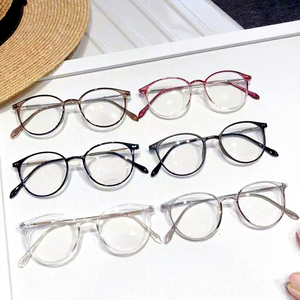
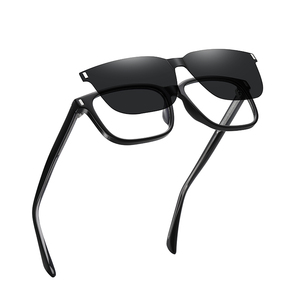
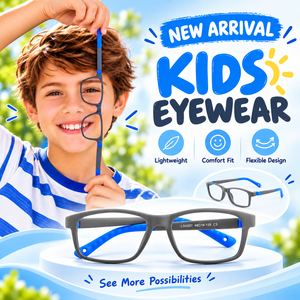
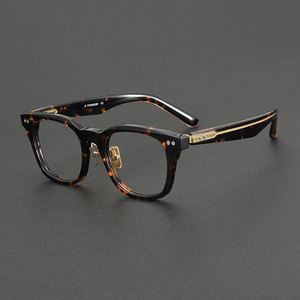
Procuring children's eyewear requires technical diligence far beyond standard adult frames. In international optical retail and wholesale procurement, CE Certified Flexible Kids Glasses represent a specialized convergence of bio-mechanics, material science, toxicology standards, and anthropometric tailoring. Children do not possess the fully developed cranial architecture, bridge projection, or delicate handling awareness of adults. Consequently, pediatric frames are exposed to multidirectional twisting, crushing impacts, mouth contact, and skin exposure to sweating and salivation.
As leading manufacturing and export partners, our engineering protocols align with European Union Medical Device Regulation (EU MDR 2017/745 Class I Medical Devices for prescription optical chassis), EN ISO 12870:2018 (Ophthalmic optics – Spectacle frames), and the strict chemical safety mandates of REACH Annex XVII, RoHS, and US CPSIA (Consumer Product Safety Improvement Act). Sourcing from our certified manufacturing infrastructure delivers comprehensive audit trails, zero-phthalate raw materials, and documented mechanical resilience that eliminate compliance risk for corporate importers.
The core value of flexible kids' spectacles lies in the polymer morphology of the frame chassis. Unlike conventional plastic optical frames manufactured from standard injection polycarbonate or rigid acrylics, flexible pediatric frames demand specialized elastomers with exceptional yield strength and rapid shape recovery. Our production units primarily deploy Swiss-engineered EMS Grilamid TR-90 memory polyamide, surgical-grade medical polymides, and thermo-plastic polyester elastomers (TPEE).
| Material Engineering Grade | Tensile Yield & Flexibility | Bio-Compatibility & Toxicity | Weight (Specific Gravity) | Primary Clinical & Commercial Application |
|---|---|---|---|---|
| Swiss Grilamid TR-90 Polyamide | Extreme memory flex; resists 360° torsion without permanent plastic deformation | ISO 10993 cytotoxicity certified; 100% free of BPA, plasticizers, and bisphenols | 1.14 g/cm³ (ultra-lightweight, 20% lighter than standard acetate) | Everyday school eyewear, junior active frames, high-prescription heavy lens balancing |
| Co-Molded Food-Grade TPEE | Rubber-like tactile cushion; total impact shock absorption, virtually unbreakable | Complies with FDA 21 CFR food-contact standards and EN 71-3 heavy metal migration | 1.18 g/cm³ (soft touch, non-abrasive nasal contact) | Infant and toddler eyewear (ages 0-5), sensory-sensitive children, special needs optometry |
| Reinforced Optical Polymide | High flexural modulus; excellent dimensional stability under heated lens grooving | Zero nickel release; hypoallergenic dermal interface across tropical and cold climates | 1.16 g/cm³ (rigid enough for progressive multifocal beveling) | Children's bifocal-ready models, pediatric astigmatism correction requiring precise axis retention |
| Eco Bio-Based Acetate Sheet | Thermal adjustability; hand-polished visual depth, custom cold-bend temple tips | Cellulose cotton-pulp base; REACH compliant organic pigments without phthalates | 1.28 g/cm³ (balanced counterweight for high minus lenses) | Fashion-forward teen collections, boutique independent optician private labels |
The global pediatric optical landscape is undergoing structural transformation driven by ophthalmic clinical breakthroughs, shift in digital lifestyles, and corporate ESG imperatives. Sourcing managers and category buyers must align inventories with the following four definitive purchasing currents:
With pediatric myopia rates surging globally, optical chains are shifting volume toward Defocus Incorporated Multiple Segments (D.I.M.S.) and highly Specialized Aspherical Lenslet Technology (S.A.L.T.). These therapeutic lenses require tight pantoscopic tilt (between 0° and 4°), exact vertex distance (10mm to 12mm), and zero frame slippage. Procurement directors are demanding frames with stable anatomical nosepads and deep B-measurements (minimum 30mm vertical height) to ensure the therapeutic defocus zones maintain clinical alignment.
Traditional miniature optical screws represent the single most common failure point and ingestion hazard in pediatric eyewear. Current procurement guidelines across European and North American retail groups specify 100% screwless, interlocking friction-fit or co-injected flex hinges. By eliminating small metal screws, springs, and barrel pins, factory-direct buyers slash customer warranty return rates by up to 74% while completely eliminating facial scratch injuries during rough playground activities.
Institutional hospital tenders and retail optometry chains increasingly require Environmental Product Declarations (EPDs). Modern buyers are transitioning away from petroleum-dominant polycarbonates toward bio-derived TR-90 synthesized from sustainably cultivated castor oil seeds (Rilsan Clear G850 / EMS Grilamid BTR). These advanced bio-polyamides deliver equivalent 360° bend recovery with up to 50% reduced carbon footprint and verified non-leaching performance under perspiration tests.
Historically, children's frames were merely adult optical frames reduced in scale by 25%. This flawed approach caused chronic bridge slippage, temporal pinching, and visual displacement above the optical center. Modern factory production integrates comprehensive pediatric facial anthropometry data:
1. Crest-Height and Splay-Angle Architecture: An infant or young child has minimal nasal cartilage development, resulting in a low, wide, and flat nasal bridge. Our precision injection molds integrate inverted saddle bridges or adjustable medical silicone pad systems that disperse lens weight over an area four times greater than standard adult pads, preventing soft tissue depression and hypoperfusion.
2. Dual-Component Over-Molding: Utilizing advanced two-shot injection molding machinery, the structural frame front is cast in durable TR-90, while inner contact zones and ear tips are over-molded with soft, shock-absorbing TPEE. This provides rigid optical lens retention in the rim eyewire, preventing lens pop-outs even under cylindrical torquing, while preserving pillowy comfort behind the mastoid bone.
3. Dynamic Wrap-Around Temple Grips & Integrated Retention Bands: For sports and active school environments, temples feature 3D ergonomic contouring with micro-perforated airflow channels to wick sweat away. Detachable medical-grade elastic headbands clip seamlessly into terminal temple tips without awkward bulk, keeping the optical center locked onto the line of sight during rapid head movements.
Operating as an experienced GST-verified Indian manufacturer and global exporter since 2017 (GST No. 27AILPM7839G1ZQ), S M Opticals provides seamless OEM and ODM production directly from our industrial facility located in Bhayander West, Thane (Mumbai Metropolitan Region), Maharashtra, India. By bypassing unnecessary intermediary trading brokers, our manufacturing ecosystem allows wholesale importers, hospital networks, and private label optical distributors to maximize margin velocity and product consistency.
Eliminate broker margins with our dedicated multi-material facility covering high-grade polymide, memory TR-90, hand-cut acetate sheet, and precision optical alloys.
Every batch undergoes mechanical endurance testing: 15,000-cycle temple oscillation, bridge deflection verification, and finish adhesion checks before hermetic packing.
Consolidated multi-model dispatching with color-coded barcodes, model segregation, and international packaging ready for regional fulfillment centers.
Direct communication led by experienced leadership (Dharamchand Maheshwari) ensures quick feasibility assessment, mold scheduling, and rapid order processing.
Accelerate your optical frame procurement with verified factory-direct pricing, custom OEM/ODM pediatric tooling, and seamless international logistics support.
Send an Inquiry