
0.05mm
CNC Milling Tolerance
80-120 hrs
Barrel Tumbling Polish
ANSI Z80.5
US Optical Standard Compliance
100%
Pre-Glazing Inspection
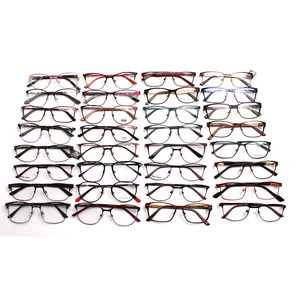
Featured Export Catalog
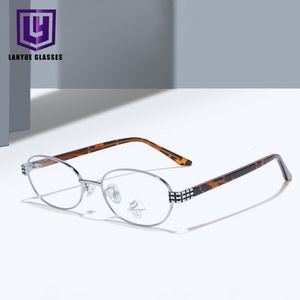
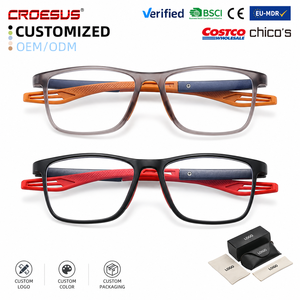
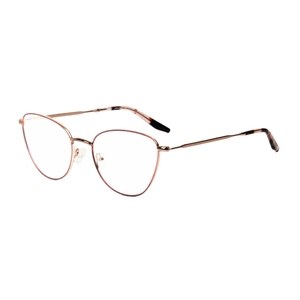
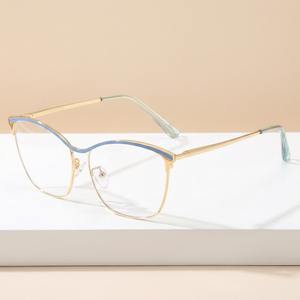
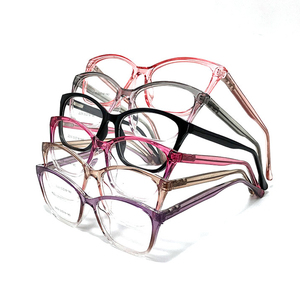
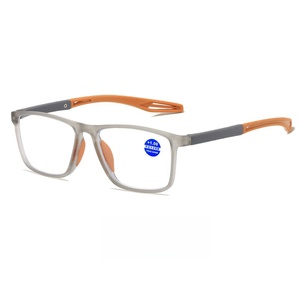
Engineered Optical Acetate Sheet Frames & Hybrid Rx Collections
Every frame incorporates multi-axis CNC profiling, hand-polished organic cellulose acetate, integrated 5-barrel hinge geometries, and ergonomic wire-core temples designed for seamless lens mounting across North American optometry clinics.
Engineering Whitepaper
Material Architecture: Why Subtractive Optical Acetate Dominates the US Rx Market
Understanding the molecular density, thermodynamic properties, and optical glazing stability that differentiate virgin cellulose acetate sheet fabrication from conventional injection molding.
High-Purity Bio-Cellulose vs. Injected TR-90
Cellulose acetate sheet is derived from natural wood pulp and cotton fibers, aged through strict acetylation and plasticizer extrusion. Unlike molded polymers, sheet acetate possesses viscoelastic memory:
- Thermal Adaptability: Malleable between 55°C and 65°C without crystalline degradation, permitting precise optometric cold/hot snap insertion.
- Deep Color Saturation: Complex tortoiseshell, horn, and multi-tone havana layers are fused under extreme pressure, preventing surface peel-off.
- Hypoallergenic Biocompatibility: Free from petroleum phthalates, mitigating contact dermatitis under prolonged skin wear.
High-Precision CNC Milling & 5-Axis Profiling
Our industrial production floor utilizes 5-axis CNC router lines to carve raw extruded blocks into structural spectacle fronts and temples with micro-tolerances:
- Groove Symmetry: 115° to 120° V-bevel optical grooves cut precisely to eliminate lens warping, frame popping, and cylinder axis errors.
- Integrated Core-Pin Inlay: Dual-channel mechanical shooting embeds German nickel-silver wire cores directly through the acetate temple.
- Edge Relieving: Ergonomic brow lines eliminate edge sharpness, optimizing temporal comfort for broad North American cranial widths.
Multi-Stage Barrel Tumbling & Hand Lapping
A brilliant high-luster finish cannot be achieved through chemical dipping alone. Our frames endure an uncompromising mechanical finishing sequence:
- Stage 1 (Coarse Cut): 36 hours of wet tumbling in beechwood granules soaked in pumice paste to smooth machine tool lines.
- Stage 2 (Refinement): 30 hours of medium-grit dry tumbling to homogenize radius corners and rim perimeters.
- Stage 3 (Mirror Polishing): 24 hours of micro-fine tumbling using walnut shell fragments and carnauba wax, followed by manual hand-wheel buffing.
Engineering Benchmarks
Material Comparison Matrix: Optical Sheet Acetate vs. Standard Eyewear Polymers
Data-driven selection parameters for US optical retail chains and private label distributors.
| Mechanical & Physical Property | Cellulose Acetate Sheet (CNC Cut) | Molded Grilamid (TR-90) | Polycarbonate / Injection Plastic |
|---|---|---|---|
| Base Composition | Organic Cotton / Wood Flakes (Bio-Plastic) | Synthetic Polyamide (Nylon derivative) | Petrochemical Synthetic Polymer |
| Optometric Glazing Adjustability | Superior Heat-adjustable frame & temple tips | Difficult (Requires high heat, rebounds to mold) | Zero tolerance (Cracks under heat manipulation) |
| High-Prescription (Rx) Stability | Stable for high-minus/cylinder lenses (No rim warping) | Moderate flex; risks optical axis shift | Poor; thin eyewire splits under lens bevel tension |
| Surface Refinishability | 100% Polishable, scratch-buffable over lifespan | Non-refinishable (Damages color coat) | Non-refinishable (Requires protective lacquers) |
| Weight-to-Density Ratio | 1.28 - 1.32 g/cm³ (Substantial, luxury tactile feel) | 1.14 - 1.18 g/cm³ (Extremely light) | 1.20 - 1.25 g/cm³ (Rigid, brittle feel) |
Localized Deployment
US Market Optical Application Scenarios: Meeting American Dispensing Demands
How our acetate frames bridge the operational requirements of US optometrists, corporate optical labs, and omnichannel eyewear brands.
High-Index Free-Form Progressive Glazing
With an aging presbyopic demographic across the United States, optical dispensers face mounting challenges glazing digital free-form progressives and high-index 1.67/1.74 lenses. Injected plastic frames warp easily under high-minus bevel pressure, causing astigmatic distortion.
Our optical acetate sheet frames are annealed through controlled heated chambers, neutralizing internal stresses. The 4.0mm to 5.5mm rim thickness easily conceals thick lens edges while maintaining precise pantoscopic tilt and vertex distance required by complex Rx scripts.
Remote Digital Eyestrain & Blue-Cut Solutions
The post-pandemic rise of hybrid workforces across major US metropolitan centers (Austin, New York, Seattle, Chicago) has propelled blue-light filtering spectacle frames from seasonal novelties to standard occupational necessities.
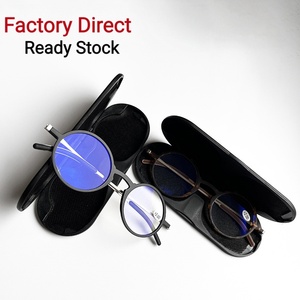
Our inventory integrates zero-power plano blue-light blocking lenses featuring anti-reflective, hydrophobic coatings directly out of the factory. For clinical practices, frames arrive with optical demo lenses engineered for instantaneous automated tracer edging.
Independent Boutiques & Private Label Branding
Independent US optical practices face fierce retail margin pressure from massive corporate vision consortiums. Establishing an in-house private label acetate collection offers profit margins exceeding 65% per dispense.
We supply turnkey ODM/OEM solutions: CNC laser engraving on interior temples, custom foil hot-stamping, matched core-wire patterns, and bespoke color laminations that give boutique owners an exclusive, non-comparable product line on their dispensing boards.
Industry Intelligence
Current Trends Shaping the US Wholesale Eyewear Marketplace
Strategic procurement considerations driving purchasing decisions for optical retail chains and optical supply networks.
Bold Chunky Profiles & Vintage Geometries
American fashion eyewear continues to pivot toward 8mm to 10mm sculptural, heavy-gauge acetate rims. Vintage geometric silhouettes, television-cut bevels, and retro aviators are seeing triple-digit wholesale order growth.
Certified Bio-Acetate & ESG Procurement
US consumers actively seek eco-friendly eyewear. Our sustainable cellulose lines utilize plant-based diethyl phthalate-free plasticizers, ensuring ASTM D6866 bio-based verification and compliance with Californian Prop 65 safety rules.
Universal & Alternative Fit Bridges
Demographic diversity in the US necessitates diverse ergonomic bridge fittings. We engineer specialized low-bridge/alternative-fit acetate nose pads with increased pad flare and higher splay angles for flatter nasal profiles.
Direct-to-Lab EDI & Barcode Integration
US wholesale buyers prioritize supply agility. We pre-label individual frame boxes with custom SKU barcodes, UPC codes, and A-B-ED dimensions, accelerating inventory check-in directly into optical practice management systems.
Enterprise Authority
Enterprise Strengths: Advanced Engineering, Strict QC & Proven Reliability
Capitalizing on proven manufacturing infrastructure, verified technical governance, and cross-border logistics expertise.
Verified Industrial Standard & Tax Compliance
Operating as a certified, GST-registered manufacturing enterprise, our manufacturing unit establishes uncompromising governance standards across materials management, worker safety protocols, and transparent commercial invoicing.
With clean audited records, international optical distributors avoid compliance bottlenecks. Every commercial invoice matches standard US Harmonized Tariff Schedule (HTS Code 9003.11.0000 for plastics) documentation for effortless customs clearance at US ports.
Rigorous Multi-Tier Physical QC Protocol
Every single optical frame is subjected to intense bench checks before boxing. Our on-site quality assurance lab conducts:
- Hinge Endurance Testing: 20,000 cycles of open-close actuation checking for mechanical loosening or hinge pin migration.
- Nickel-Release Assays: Ensuring all internal wire cores and rivets comply with EN 16128 and US safety directives.
- Orthogonality Alignment: Frame four-point touch testing on granite optical leveling slabs to ensure zero twist across eyewires.
Turnkey Export Engineering for US Logistics
We streamline transpacific procurement by offering comprehensive Incoterms including FOB Ningbo/Shenzhen, CIF, and DDP air-freight express to major optical lab distribution centers in California, Texas, Florida, and Ohio.
Each unit is packaged in anti-static PE sleeves, cushioned in reinforced ten-pack master cartons, and palletized to resist humidity and cargo shifts during trans-oceanic container shipping.
Buyer Knowledgebase
Frequently Asked Questions for US Eyewear Importers & Procurement Managers
Direct technical and operational answers to facilitate smooth B2B purchasing decisions.
Q: How do your acetate sheet frames comply with US FDA and Customs regulations?
All our ophthalmic spectacle frames are produced under medical device manufacturing best practices and comply fully with 21 CFR 801.410 (Impact Resistance Drop Ball Test). We provide proper FDA facility registration documentation, Device Listing Numbers, and appropriate Drop Ball impact test certifications with all commercial shipping paperwork to ensure seamless processing through US Customs and Border Protection (CBP).
Q: Can our optical chain order mixed SKU assortments to evaluate sell-through rates?
Yes. We understand that optical dispensary boards require wide variety with controlled inventory risk. For stocked master collections, we support flexible mixed assortments across colors, classic rectangular, cat-eye, and modern round shapes. For custom OEM branding production runs, minimum order quantities are typically 300 pieces per model (divided across 2-3 custom acetate colorways).
Q: What core hinge hardware do you use on your export acetate eyewear?
Our standard export optical frames utilize premium 3-barrel and 5-barrel barrel hinges, as well as German-engineered OBE-style flexible spring hinges. Hinge assemblies are anchored via thermal fusion insertion or pinned rivets directly into the acetate rim and temple wire core, ensuring they do not back out or strip under repeated dispensary adjustments.
Q: How do you manage lead times and rapid replacement parts for US accounts?
For catalog sample orders and ready-to-ship collections, dispatches occur within 3 to 7 business days via air courier (DHL/FedEx/UPS) reaching US lab destinations in 4-6 business days. For bulk OEM production, our lead time ranges from 45 to 60 days. We also supply matching temple spare pairs, nose pads, and hinge screws with each production run for quick warranty support.
Elevate Your Eyewear Collection with Factory-Direct Optical Acetate Frames
Contact our technical engineering and international export desk today to request wholesale product catalogs, review certified test documentation, or start your private-label optical development.