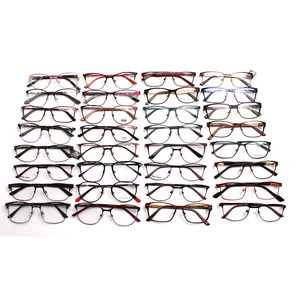
 S M OpticalsSpectacle Frame Manufacturer · India
Sales Desk+91-8047836571
S M OpticalsSpectacle Frame Manufacturer · India Engineered from surgical-grade metals, memory polymide, and hand-polished acetate sheets, our featured export styles meet rigorous CE, ANSI, and ISO eyewear tolerances.
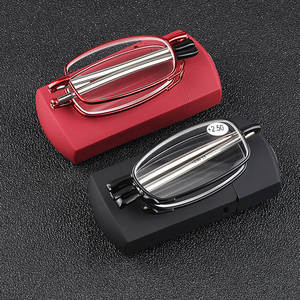
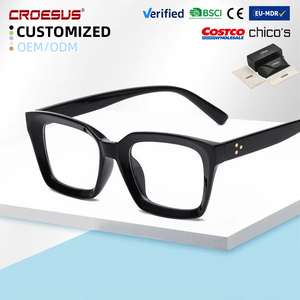

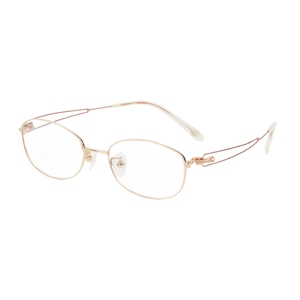
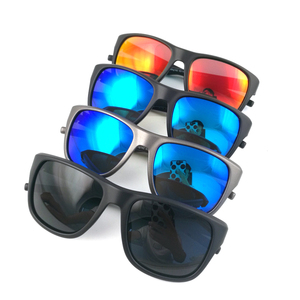
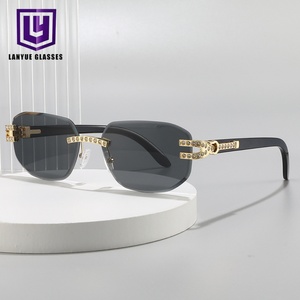
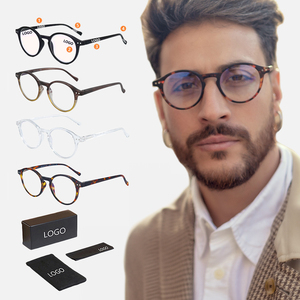
Headquartered in Bhayander West, Thane (Mumbai Metropolitan Region), we eliminate intermediaries by integrating manufacturing, laboratory assembly, and international B2B export logistics.
Founded in 2017 with an annual turnover reaching INR 1.5–5 Cr, our lean production setup houses specialized CNC milling, injection moulding, and ultrasonic polishing lines. International buyers bypass trading margins while acquiring custom temple-branding and tailored pantoscopic tilt specifications directly from the factory floor.
Frames undergo exhaustive quality gates before packing: hinge-torque tension testing (minimum 20,000 cyclic actions), temple flexion resistance, bridge shear resistance, and nickel-leach surface safety tests. Grooves are calibrated to 0.05 mm accuracy to ensure seamless Rx lens insertion without bezel distortion.
Under the direct personal supervision of Dharamchand Maheshwari, every corporate procurement dossier is coordinated with custom HS-coded documentation, batch assortments, break-resistant protective packaging, and insured multimodal transit across Europe, the Americas, Africa, and the Middle East.
The iconic circular and rounded spectacle silhouette—dating from historic Windsor eyewear to mid-century intellectual aesthetics—has transformed from an occasional boutique styling piece into a permanent fixture in global retail optical inventory. Today's commercial success with round frames relies on strict geometric balance: round eyewires require balanced pantoscopic angles and calibrated bridge dimensions to avoid optical decentration and ocular fatigue.
In standard optical distribution, round frames generally divide into three functional profiles: ultra-minimalist monel/stainless-steel wireframes (such as our Readsun Harry and Jnloo semi-rimless series), bold high-density cellulose acetate rims, and memory-flex TR-90/polymide hybrid builds. Optical dispensing laboratories favor frames with deep v-bevel profiles that secure high-minus lenses without edge flaring, making frame depth an essential criterion when selecting suppliers.
| Material Classification | Tensile Strength & Flex | Weight Profile | Ideal Retail Positioning |
|---|---|---|---|
| Polymide / TR-90 Hybrid | Ultra-High Elasticity (Memory Retention) | 9.5g – 14.0g (Ultra-Light) | Paediatric, computer anti-fatigue, and all-day student eyewear |
| High-Nickel / Monel Metal | Rigid Ductility with Adjustability | 14.5g – 19.0g (Balanced) | Classic business, executive wireframes, retro round profiles |
| Block Cellulose Acetate | High Rigidity (Heat-Malleable) | 22.0g – 34.0g (Substantial) | Premium designer collections, bold retro-fashion boutiques |
Global procurement metrics show optical chains moving decisively toward sustainable, circular-economy materials. Bio-based acetates—derived from sustainably harvested wood pulp and non-phthalate plasticizers—are rapidly replacing petroleum-derived plastics across Tier-1 retail brands. Importers targeting North America and the EU must secure supply chains capable of providing documented material traceability and hypoallergenic surface coatings that comply with REACH and California Proposition 65 standards.
A second major development is multi-scenario functional integration. Modern round eyewear designs increasingly combine prescription capability with built-in blue-light mitigation (filtering 415–455nm light wavelengths) or magnetic polarized sun clips. Eyewear retailers can carry a single core frame chassis that serves multiple vision needs, reducing overall SKU counts while boosting average basket values across retail displays.
Traditional frame making relied heavily on manual profile routing, often resulting in small variations between left and right eyewires. Modern precision production uses 5-axis CNC machining paired with automated tumbling barrels to produce consistently identical frame geometries. For metal styles, robotic micro-brazing joins nose-pad arms and barrel hinges with clean, slag-free joints that resist oxidation and mechanical wear over years of daily adjustments.
Clear operational terms, custom-branding support, and export dispatch details for regional distributors, chain buyers, and institutional importers.
Connect directly with our export engineering and sales management desk in Thane, India. Request our complete wholesale price matrix, order bespoke production samples, or configure custom private-label branding for your optical counters.