 S M OpticalsSpectacle Frame Manufacturer · India
Sales Desk+91-8047836571
S M OpticalsSpectacle Frame Manufacturer · India Direct from modern optical fabrication facilities: explore our certified transparent optical series featuring anti-yellowing polymers, ergonomic temple articulation, and high-tensile hinges.

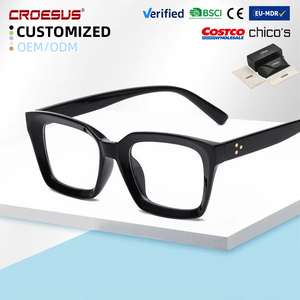
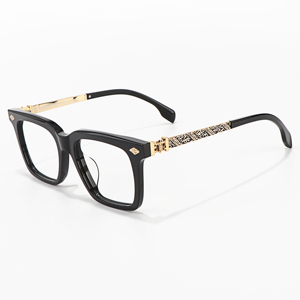
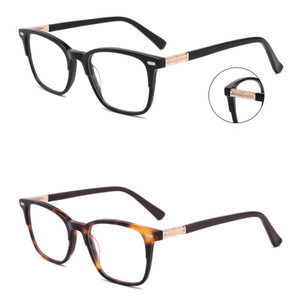
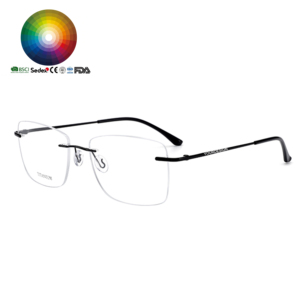
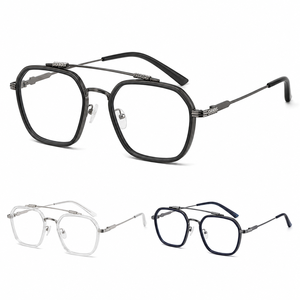
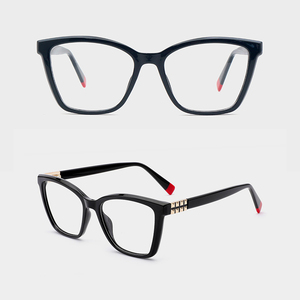
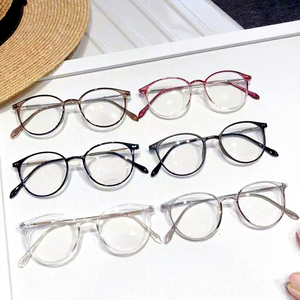
The global luxury and prescription eyewear markets have experienced an unprecedented structural pivot toward transparent eyewear. Clear eyeglass frames—ranging from crystal-clear gloss to subtle champagne, glacial blue, and smoky transparent tints—have transformed from an avant-garde sub-segment into a foundational inventory staple across North American, European, and Asia-Pacific retail networks. For corporate buyers, brand directors, and optical laboratory procurement teams, evaluating clear eyeglass frames factories requires understanding precision material science, photo-thermal degradation dynamics, and the mechanical stability of high-transmittance polymers.
Unlike opaque or deeply pigmented frames where color masterbatches conceal minor interior voids, internal air inclusions, regrind impurities, or thermal scorch marks, crystal-clear spectacle manufacturing demands clinical-grade raw material purity and strict contamination control. A transparent frame functions like an optical window: any variance in polymer viscosity, barrel moisture during injection, mold micro-scratches, or improper plasticizer balancing produces visible hazing, yellowing, or refractive distortion. This comprehensive technical white paper outlines the core competencies, testing regimens, material specifications, and future sourcing roadmaps required to partner with world-class clear frame exporters.
Selecting the optimal substrate defines a product line's market positioning, cold-glazing tolerance, hinge retention torque, and shelf life under UV exposure. Commercial clear eyeglass frames rely on three primary polymer families, alongside modern hybrid configurations: High-Density Cellulose Acetate, Aliphatic Polyamides (TR90 / Grilamid), and Virgin Optical Polycarbonate (PC).
| Material Classification | Refractive Index (nD) | Light Transmittance (%) | Yellowing Resistance (ΔYI 1000h UV) | Flexural Modulus (MPa) | Rx Glazing Tolerance | Ideal Application |
|---|---|---|---|---|---|---|
| Cellulose Diacetate (Sheet Cut) | 1.48 – 1.50 | 91.8% – 92.5% | ΔYI < 1.2 (Premium UV Stabilized) | 2,100 – 2,400 | Excellent (Heat Formable at 60°C) | High-end Optical Showrooms & Boutiques |
| Grilamid TR90 (Swiss Aliphatic Polyamide) | 1.51 – 1.53 | 89.5% – 91.0% | ΔYI < 0.8 (Extreme Inertness) | 1,500 – 1,700 | High (Cold-Snap Insertion Groove) | Ultra-lightweight, Sports, Ergonomic Everyday |
| Virgin Optical Polycarbonate (Injection) | 1.58 – 1.59 | 88.0% – 89.5% | ΔYI < 2.5 (Requires Anti-UV Coat) | 2,300 – 2,500 | Moderate (Rigid, Prone to Stress Crazing) | Protective Safety Wear, Fast-Fashion, Promos |
| Co-Polyester / Bio-Polyamide (Eco-Clear) | 1.50 – 1.52 | 90.5% – 91.8% | ΔYI < 1.0 (Non-Yellowing) | 1,800 – 2,000 | High (Stable Elastic Recovery) | Sustainable ESG Product Collections |
| Beta-Titanium / Crystal Acetate Hybrid | Composite | 92.0% (Rim Area) | Immune (Passivated Metal Core) | Composite Elastic | Lab Certified (Rim-Wire + Bevel Lock) | Executive, Featherweight Luxury Categories |
The primary point of failure for mass-market clear frames imported from low-tier factories is photolytic degradation—commonly known as photo-oxidation. When clear frames formulated with inferior plasticizers (such as unpurified ortho-phthalates) or recycled resins encounter sunlight and synthetic blue light radiation, tertiary carbon free-radicals trigger cross-linking breakdowns. This results in the clear polymer shifting toward a dull, aged yellow hue within 90 to 180 days of retail counter display.
Tier-1 manufacturing operations mitigate this via three technical safeguards: first, deploying hindered amine light stabilizers (HALS) directly into the plasticization hopper; second, utilizing aliphatic rather than aromatic diisocyanates in proprietary resin compounds; and third, implementing multi-stage tumbling barrels using diamond wax pastes that polish without micro-thermal scorching, preserving the polymer's crystalline matrix integrity.
Founded and operating as an established, GST-verified optical manufacturer (GST Registration Date: 01-07-2017 | GSTIN: 27AILPM7839G1ZQ) based in Bhayander West, Thane, Maharashtra, India, S M Opticals combines European-calibrated production tolerances with India's agile manufacturing ecosystem. Overseen directly by seasoned optical director Dharamchand Maheshwari, our precision factory infrastructure produces between INR 1.5 to 5 Crores annually for demanding domestic chains, global OEM distributors, and boutique optical importers across 13 signature collections.
Eliminate speculative multi-tier trading margins. Orders originate directly on our tooling, extrusion, and CNC finishing lines in Bhayander West. This ensures transparent cost structures, direct engineering sign-offs, and batch-to-batch chemical reproducibility.
Unlike narrow injection shops, our facilities handle virgin Swiss TR-90, cured optical acetate sheets, lightweight polymide engineering resins, and stainless/beta-titanium metals. This multi-material capacity powers versatile collections like Ultimate Premium, JITO, and Colour Fashion.
Every clear frame batch undergoes automated bridge deformability stresses, endurance barrel tumbling (7-stage dry/wet walnut shell finishing), and 20,000-cycle mechanical spring hinge testing to verify zero structural delamination and zero visual birefringence.
Corporate procurement is supported by our dedicated sales engineering team, maintaining an audited 88% real-time response rate. Buyers receive model specs, mold drawings, and freight schedules without communication delays.
Protect working capital and test new markets efficiently. Our flexible batch configuration allows importers to assemble mixed-model cartons across shapes, crystal tints, and bridge widths across our 13 specialized catalog lines.
Serving major optical distributors across the EU, the Americas, the Middle East, and Africa. Every export carton ships with barcoded SKUs, custom branded microfiber envelopes, and rigorous moisture-barrier packaging to ensure perfect arrival condition.
As consumer demand for high-end minimalism merges with digital ergonomics, commercial buyers must align their purchase cycles with upcoming material and architectural evolutions. S M Opticals tracks five structural market trends driving the future of clear frames:
Brands are rapidly phasing out petrochemical plasticizers in favor of non-toxic diethyl phthalate alternatives derived from wood pulp and cotton linters. These achieve >92% clarity while satisfying European CSRD sustainability directives.
Pure clear frames are expanding to include translucent tints: sage green, soft tea, chilled quartz, and champagne. These warm undertones complement a broader range of skin tones while retaining modern minimalist aesthetics.
Visible internal hardware has become a key design feature in clear frames. Laser-etched, geometric German silver core wires embedded inside transparent acetate temples provide both structural adjustability and visible craftsmanship.
High-volume optical laboratories require frames that accept automated lens mounting without high-heat expansion. New crystal polyamides incorporate micro-radiused bevel grooves engineered specifically for automated Briot and Essilor edgers.
A frequent challenge for wholesale optical labs is frame distortion or stress cracking during high-minus or high-plus lens insertion. In colored frames, mechanical hoop stress from an oversized lens bevel (exceeding standard 0.4mm allowance) remains concealed. In clear frames, excess stress creates visible birefringence patterns—rainbow-like stress rings that degrade optical performance and weaken rim durability.
Our CNC-milled clear rims feature a standard 110° V-bevel angle with a controlled groove depth of 0.60mm (±0.02mm). This provides secure lens retention for Base-4 and Base-6 lenses without forcing rim expansion.
When working with clear acetate, frame warmers must maintain a stable 55°C to 65°C range. Excessive temperatures alter plasticizer equilibrium, leading to surface hazing. For TR-90 clear frames, cold-glazing with a 0.2mm safety size margin is recommended.
In styles like our Retro Butterfly and Mens Bifocal series, vertical B-measurements exceed 38mm. This ensures generous progression corridors for digital free-form lenses, preventing bifocal transition lines from distorting the clear bridge aesthetic.
Clear, direct answers to common technical, logistics, and manufacturing questions from wholesale optical buyers, retail chains, and international importers.
Top-tier factories prevent yellowing through controlled chemical inputs and rigorous accelerated weathering tests. At S M Opticals, clear frames use raw aliphatic polyamides (Grilamid grade) or optical acetate formulated with sterically hindered amine light stabilizers (HALS) and UV-absorbers. Every production run undergoes accelerated Xenon-arc weathering tests (ASTM G155 standard) to ensure the Yellowing Index change remains under ΔYI 1.2 across a simulated 24-month retail exposure cycle.
Cellulose Acetate frames are cut from cured, aged polymer blocks via multi-axis CNC machines, hand-beveled, and polished in automated tumbling barrels for 72+ hours. Acetate is heavier, has a rich gloss, accepts embedded wire cores, and can be heat-adjusted by dispensing opticians. TR90 (Aliphatic Polyamide) is an injection-molded thermoplastic characterized by shape memory, extreme lightness (density approx. 1.00 g/cm³ compared to acetate's 1.28 g/cm³), and high flexibility. TR90 frames are cold-glazed and cannot be easily reshaped with warm air, making them ideal for sports and youth collections.
For existing catalog models across our 13 core collections (including JITO, Saksham, Ultimate Premium, and Colour Fashion), standard MOQs start as low as 300 to 500 units per model, with flexible color split options across clear, crystal tints, and dual-tone gradients. Custom ODM tooling requiring fresh steel injection molds or specialized CNC acetate cutting profiles requires an MOQ of 1,200 units per tooling set. Lead times range from 15 to 25 days for catalog batch runs, and 45 to 60 days for ground-up OEM development.
Yes, provided the frame groove geometry is engineered to balance radial mechanical pressure. Our clear acetate and polyamide frames feature precision-milled lens grooves calibrated to a 0.60mm depth with an angled bevel seat. For prescriptions above -4.00D or +3.00D, we recommend opting for our Mazzucchelli-grade acetate or reinforced TR90 profiles, which absorb edge thickness stresses without spider-web stress crazing around the temporal rim lugs.
Every international export consignment from our Bhayander West manufacturing hub is accompanied by comprehensive quality dossiers. This includes Certificate of Conformance (CoC) to ISO 12870:2016 (Ophthalmic optics – Spectacle frames), drop ball impact compliance certificates (FDA 21 CFR 801.410 for US import clearance), REACH non-hazardous plasticizer declarations (EU), and batch-level dimension inspection sheets verified against initial CAD blueprints.
Because hardware anchors are visible in transparent frames, we use passivated nickel-silver or surgical stainless-steel hinges embedded via controlled ultrasonic heat insertion. This technique eliminates visible plastic bubbles or burnt residue around the hinge plate. Completed frames are tested on automated cycle machines for 20,000 continuous temple flexes to ensure hinge friction torque stays within 0.15 to 0.35 N·m without loosening or screw pull-out.
A streamlined, professional purchasing path designed to minimize supply chain risk and deliver transparent production milestones for global optical brands.
Submit your target market demographics, preferred material grades (TR90, acetate, metal-hybrid), volume split, and target dispatch schedules to our sales desk.
Receive pre-production verification samples from our live lines to test hinge flex, cold-glazing bevel fit, optical clarity, and color saturation in your lab.
Following sample approval, production commences under ISO 12870 parameters, with weekly video updates and real-time resin batch tracking.
Finished goods undergo final optical inspection, model-wise barcoding, moisture-sealed export packing, and swift customs dispatch to your port of entry.
Connect directly with our engineering and export team. Request our complete wholesale catalog covering all 13 specialized collections, detailed factory audit specifications, and FOB price sheets.
Get Catalog