Anti-Blue TR90
 S M OpticalsSpectacle Frame Manufacturer · India
Source benchmark-tested acetate, metal, and performance optical hardware directly from our certified manufacturing floor.
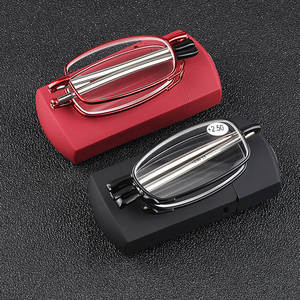
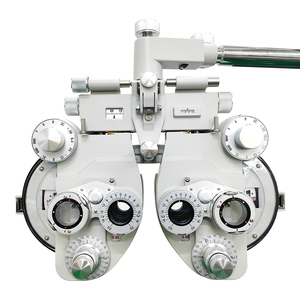
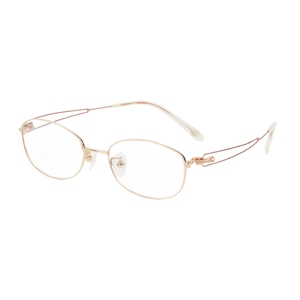
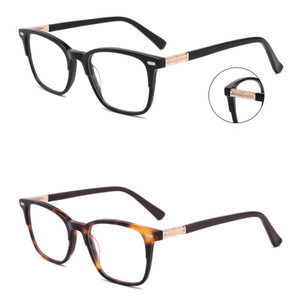
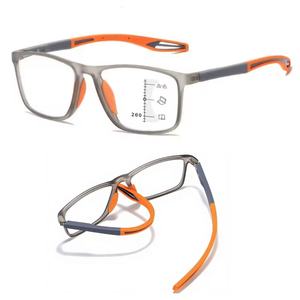
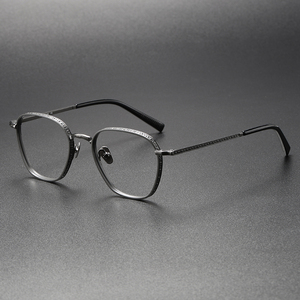
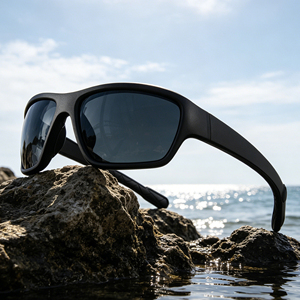
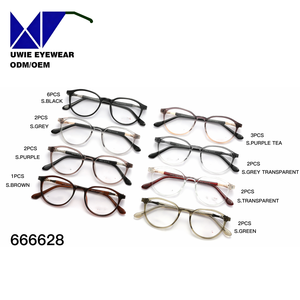
In contemporary ophthalmic manufacturing, cellulose acetate represents the absolute gold standard for premium optical retail. Unlike petroleum-derived injection plastics (such as standard polycarbonate or basic acrylics), cellulose acetate is a semi-synthetic biopolymer formulated from purified cotton linter pulp and sustainable wood flakes, acetylated with acetic anhydride and plasticized into dense, homogeneous structural blocks or extruded sheets. When global eyewear brands, independent retail chains, and medical dispensary networks audit an eyewear manufacturer, the differentiation between commodity-grade frames and high-margin luxury opticals hinges entirely on the raw material stability, the plasticizer formulation (organic diethyl phthalate alternatives), and the thermal-mechanical curing cycle.
Industrial-grade cellulose acetate sheets undergo a critical aging and curing phase ranging from several weeks to months to extract residual solvents and normalize molecular tension. When raw sheets bypass proper kiln-drying or ambient stabilization, finished frames inevitably succumb to spatial shrinkage, hinge loosening, and endpiece warpage once exposed to environmental fluctuations. Leading acetate eyewear frame factories employ dedicated 5-axis computer numerical control (CNC) machining centers to carve frontages and temples from stabilized slabs, ensuring uniform dimensional accuracy, symmetrical bevel geometries, and flawless lens groove retention capable of holding complex high-diopter, toric, and progressive lenses without frame stress fractures.
Leveraging deep industrial heritage, verified business registrations, and comprehensive multi-material production lines.
Operating under government-certified corporate status (GST No. 27AILPM7839G1ZQ, established July 2017), S M Opticals eliminates redundant broker tiers. Headquartered in Bhayander West, Thane (Mumbai Metropolitan Region), buyers interface directly with production floor supervisors and commercial decision-makers.
Beyond virgin cellulose acetate sheets, our production floor runs specialized lines for medical polymide, high-tensile Swiss TR90, monel alloys, stainless steel, and shock-resistant injection polymers across 13 dedicated brand collections, including Ultimate Premium, JITO Optical, Saksham, and We Rise.
Every batch undergoes stringent quality gates: incoming material spectrographic validation, CNC bevel contour verification, 72-hour multi-stage walnut shell tumbling, and manual temple wire-core tension testing. Our historical marketplace buyer satisfaction stands at a proven 88% across volume shipments.
From custom acetate color laminations, wood grain simulations, and wire-core diamond coining to laser temple pad printing and bespoke pantoscopic tilt adjustments, our engineering team rapid-prototypes samples within 7-10 business days for commercial distributors worldwide.
Avoid dead inventory. We assist global importers and domestic chains in curating balanced SKU spreads across demographic verticals—ranging from mature bifocal-ready gents geometries to ultra-flexible polymide pediatric frames, packaged model-wise for instantaneous warehouse check-in.
B2B transactions receive end-to-end management personally supervised by business principal Dharamchand Maheshwari. Our sales desk maintains an 88% immediate call response rate, providing real-time production status, export documentation, and custom CIF/FOB logistics solutions.
Selecting the appropriate frame substrate requires an objective evaluation of mechanical tensile strength, chemical stability, thermal moldability during clinical glazing, and aesthetic depth. The engineering comparison table below outlines the core properties optical distributors and chain store managers must calculate during portfolio planning:
| Material Category | Specific Gravity (g/cm³) | Tensile Strength (MPa) | Thermal Adjustment Window | Hypoallergenic Index | Color Depth & Customization | Optimal Retail Application |
|---|---|---|---|---|---|---|
| Cellulose Acetate (Sheet CNC) | 1.28 – 1.32 | 45 – 70 | 60°C – 75°C (Reversible Memory) | Excellent (Organic Cotton Based) | Infinite (Multi-layer lamination, tortoise, marble) | Designer Boutiques, High-Margin Prescription Lines |
| Polymide (High-Grade) | 1.02 – 1.08 | 65 – 85 | Moderate (Heat resistant) | Medical Grade Bio-Compatible | Solid Matte / Translucent Frosted Finishes | Pediatric Frames, Daily Active Heavy-Duty Use |
| TR90 (Swiss Grilamid) | 1.14 – 1.16 | 75 – 95 | Low (Elastic Snap-Back Memory) | Excellent (FDA Class I Compliance) | Spray Coated, Rubberized Soft-Touch, Translucent | Athletic Eyewear, Digital Blue-Light Screen Frames |
| Monel & Stainless Alloy | 7.90 – 8.40 | 450 – 750 | Cold Pliable (Via specialized optometry pliers) | Requires Nickel-Free Barrier Plating | Electroplated, IP Rose Gold, Gunmetal, Chrome | Executive Business Frames, Minimalist Semi-Rimless |
| Standard Injection Plastic | 1.18 – 1.22 | 35 – 50 | Poor (High risk of thermal deformation) | Moderate (Potential chemical migration) | Basic Molded Monochromatic Tones | Promotional Giveaways, Ultra-Budget Volume Lines |
As evidenced by industrial tensile and thermal data, cellulose acetate remains unmatched in structural thermal malleability. Dispensing opticians can repeatedly warm acetate frames on bead warmers to dial in pantoscopic tilt, temple curve, and temple tip contouring to match a patient’s exact cranial anatomy without inducing material crazing or structural stress cracks.
The global eyewear landscape is experiencing radical technological and regulatory transformations that directly dictate procurement strategies for 2025 through 2030. Sourcing departments can no longer evaluate factories purely on unit FOB cost; compliance, material origin traceability, and circular engineering now govern enterprise purchasing decisions.
1. Bio-Based Cellulose Acetate (M49 / HDCA Formulations): Environmental legislation across the European Union (such as the Corporate Sustainability Due Diligence Directive) and stricter US consumer standards have accelerated the shift toward bio-acetate. Conventional acetate utilizes petroleum-based phthalate plasticizers. Next-generation bio-acetate replaces these with bio-plasticizers synthesized from non-food agricultural feedstocks, achieving a renewable bio-carbon content exceeding 68% while delivering ISO 14855 industrial biodegradability within 180 days. Factories maintaining certified supply agreements with bio-acetate sheet fabricators allow brands to claim authentic ESG credentials backed by chemical mass-balance audits.
2. Micro-CNC Architecture and Weight-Relief Sculpting: Historically, heavy acetate styles suffered from consumer fatigue during prolonged daily wear. Modern manufacturing facilities have countered this limitation through 3D parametric carving. High-speed CNC routers hollow out the interior perimeter of the frame rim and taper temple cores down to 2.2 mm thicknesses, preserving a bold 8 mm vintage silhouette from the frontal viewing angle while reducing total frame weight by up to 34%. This hybrid volumetric reduction delivers the commanding aesthetic of classic mid-century opticals with modern, all-day featherweight comfort.
3. Advanced Ultrasonic Wire-Core Insertion & Interlocking Hinges: Long-term frame durability is governed by the structural interface between the hinge assembly and the acetate temple. Premium factories have phased out rudimentary glued or pinned hinges in favor of high-frequency ultrasonic embedding systems. Stainless steel or titanium 5-barrel and 7-barrel hinges are integrated into the molten polymer boundary, creating an interlocking molecular mechanical weld. Simultaneous co-molding with diamond-etched internal wire cores guarantees that the temples maintain custom bend profiles through thousands of open-close duty cycles.
4. Nearshoring, Regional Supply Nodes, and Agile SKU Distribution: Global disruptions have highlighted the catastrophic inventory risks of placing monolithic single-source container orders months in advance. Enterprise optical groups are actively diversifying supply footprints. India has emerged as an authoritative global manufacturing hub, combining comprehensive metallurgy, precision polymer compounding, English-speaking executive coordination, and favorable trade tariffs. This enables distributors to place targeted replenishment runs, split assortments dynamically, and compress ocean transit times.
When dispatching an audit team or third-party inspection agency to an optical frame factory, procurement specialists must utilize an empirical checklist rather than subjective visual reviews. S M Opticals adheres to the following rigorous four-stage manufacturing audit verification matrix:
Step 1: Raw Sheet Moisture and Volatile Organic Content (VOC) Audit: Sheets arriving from the extrusion or block-pressing facility must undergo moisture analysis. Acetate stored in non-conditioned environments absorbs ambient humidity, resulting in internal bubbling during hot tumbling. Certified factories maintain humidity-controlled storage at 45%–55% RH and constant temperatures of 21°C–23°C.
Step 2: 72-Hour Progressive Tumbling Validation: The luster of an acetate frame cannot be duplicated with chemical lacquer sprays; genuine high-luster polish requires a minimum of 72 hours of multi-phase barrel tumbling. First-stage rough deburring employs coarse pumice and hard maple chips; second-stage smoothing introduces beechwood pegs and finer abrasive polishing pastes; third-stage mirror finishing utilizes pulverized walnut shells impregnated with micro-crystalline carnauba wax. Factories attempting to accelerate cycles to under 24 hours produce frames with rounded edge definitions and micro-orange peel textures that degrade rapidly under sweat exposure.
Step 3: Lens Groove Geometry & Symmetrical Caliper Measurement: Opticians incur expensive labor loss when lenses pop out or exhibit rotational torque within the frame rim. Frame grooves must feature a standardized 110° to 120° V-bevel angle with a uniform depth of 0.6 mm to 0.8 mm. Inspectors measure the optical eyewire with digital internal micrometers across four radial points to ensure dimensional variation remains well under ±0.05 mm.
Step 4: Nickel-Release and Skin Sensitivity Laboratory Testing: For composite acetate-metal frames incorporating bridges, endpieces, or nose pad arms, metal sub-components must pass EN 1811:2011 testing for nickel release rates below 0.5 µg/cm²/week, ensuring complete hypoallergenicity for sensitive wearer demographics.
Actionable answers to technical, commercial, and logistical questions encountered by enterprise optical buyers.
Partner directly with a verified, experienced eyewear frame manufacturer. Share your design briefs, volume requirements, or catalog requests for an immediate quote and comprehensive product sample kit.