
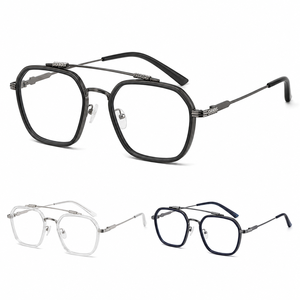
Factory Catalog Selection
High-Precision Optical Frames, Instruments & Surface Cleaning Synergies
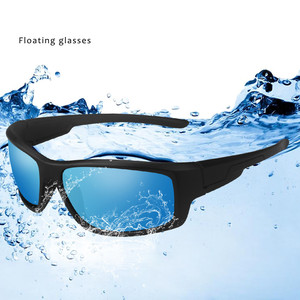
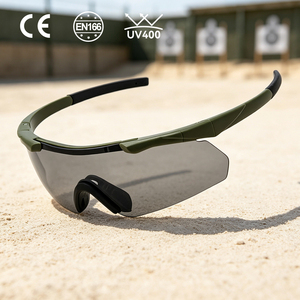
Engineered to preserve premium AR coatings, oleophobic layers, and high-index lenses. Discover our high-demand OEM optical frames alongside laboratory-grade cleaning solutions.
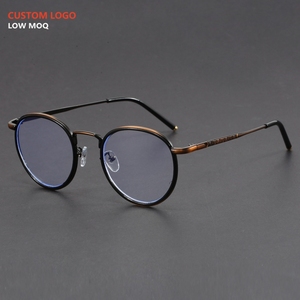

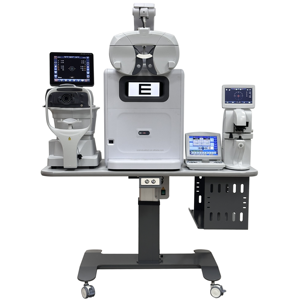
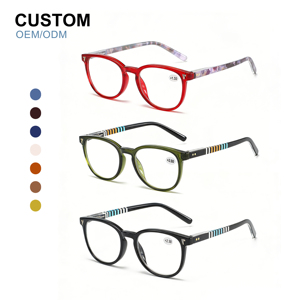

Procurement Whitepaper
Engineering Superiority: Microfiber Anatomy and Cleanroom Finishing
Understanding the micro-structural criteria that distinguish tier-1 Chinese technical textile mills from generic commodity exporters.
In the global optical accessory supply chain, the eyewear cleaning cloth has evolved from a disposable giveaway into an essential maintenance instrument. As modern ophthalmic lenses incorporate multi-layer vacuum anti-reflective (AR) stacks, hydro-oleophobic topcoats, blue-light attenuated films, and photochromic matrices, the surface tolerance against abrasive friction has tightened drastically. Sourcing from top China eyewear cleaning cloth manufacturers requires an exhaustive technical understanding of micro-denier filament spinning, mechanical splitting ratios, fabric density (GSM), edge cutting methodologies, and particulate contamination controls.
1. The Microfiber Splitting Mechanism: Sea-Island vs. Conjugate Pie Splitting
Standard microfiber fabrics utilized in high-grade lens cleaning cloths are synthetic composite fibers comprised of polyester (PET) and polyamide (PA/Nylon). The typical ratio ranges from 80/20 to 70/30 PET/PA. The polyester component provides structural firmness and oleophilic lipophilic action (absorbing lipids, skin oils, and facial sebum), whereas the polyamide provides electrostatic charge, capillary water suction, and textural softness.
During production, conjugate melt-spinning extrudes bi-component filaments in an orange-segment ("pie wedge") configuration. The woven greige fabric must undergo an intense chemical alkali reduction or high-pressure mechanical water-jet split process. This splits the continuous filament into 16 or 32 individual wedge micro-filaments measuring less than 0.1 to 0.2 Decitex (dtex)—equivalent to 1/100th the diameter of a human hair. When split properly, the cross-section creates an array of open microscopic wedges that physically trap sub-micron dust particles instead of rolling them over the sensitive AR coat, entirely eliminating microscopic scratching (swirl marks).
0.13 dtex
Filament Fineness
260 GSM
Standard Density Index
ISO Class 5
Cleanroom Processing
<0.02%
Non-Volatile Residue (NVR)
2. Cleanroom Edge Trimming: Mitigating Micro-Debris Shedding
A critical failure mode identified in commercial eyewear cloths is edge fraying and particulate shedding. Tier-1 Chinese manufacturers operating across industrial clusters in Jiangsu (Danyang, Wuxi) and Zhejiang employ specialized edge-sealing technology:
Ultrasonic Edge Sealing: High-frequency sound waves melt the thermoplastic fibers instantaneously, fusing the edge into a soft, hermetically sealed perimeter that never frays during laundering or heavy friction.
Laser Thermal Fusion: Precise CNC lasers cut custom contours (serrated, zig-zag, rounded) while cauterizing the yarn terminals, preventing particulate loss.
Direct Hemming & Overlock Stitching: Primarily reserved for ultra-thick suede (over 300 GSM) utilized in high-end luxury optical packaging cases.
| Material Variant | Composition (PET/PA) | Standard GSM | Surface Texture | Primary Industrial Use Case |
|---|---|---|---|---|
| Knitted Microfiber Suede | 80% PET / 20% PA | 180 – 260 GSM | Velvety, napped finish, dense pile | Luxury eyewear packaging, camera lenses, multi-coated optical frames |
| Double-Sided Velvet | 70% PET / 30% PA | 230 – 300 GSM | Plush, high-loft double knits | High-end prescription acetate frames, laboratory prisms, auto phoropters |
| Silky Flat Weave (High-Density) | 100% PET or 85/15 | 150 – 210 GSM | Smooth, lustrous, mirror-flat sheen | Full-color dye-sublimation art prints, fashion sunglasses promo cloths |
| Honeycomb / Waffle Knit | 80% PET / 20% PA | 200 – 280 GSM | Dimensional recessed capillary grid | Heavy sports eyewear, tactical goggles, moisture-wicking and quick-drying |
| Recycled GRS Microfiber | Post-Consumer rPET / Polyamide | 180 – 240 GSM | Equivalent to standard suede | ESG-compliant European & North American chain retail collections |
Strategic Procurement Trends
Future Sourcing & Technological Trends (2025–2030)
Market shifts indicating how optical brands and medical distributors are structuring upcoming procurement contracts.
1. GRS 4.0 Certified Circularity
Global Eyewear groups are enforcing Global Recycled Standard (GRS) traceability. Forward-thinking factories in China utilize 100% post-consumer recycled plastic bottles (rPET), tracing chemical batches via blockchain verification from flake to thread.
2. Anti-Fog Surfactant Impregnation
Long-lasting anti-fog cloths impregnated with non-ionic organic silane polymers are replacing temporary sprays. A single dry microfiber wipe deposits an ultrathin hydrophilic layer preventing droplet condensation for up to 24 hours.
3. Electrostatic Anti-Microbial Ions
Integration of nanosilver and zinc-pyrithione ions into the filament extrusion stage. This provides intrinsic permanent biocidal efficacy (reducing 99.9% of bacteria and viral cross-contamination) without surface coating rinse-out.
4. FSC Clean-Shield Packaging
Transition from petroleum-based PVC/OPP sleeves to biodegradable polylactic acid (PLA) and FSC-certified recyclable kraft envelopes. Automated packaging lines eliminate manual handling, reducing static dust attraction before retail opening.
Factory Credential Audit
End-to-End Manufacturing & Quality Control Systems
Combining verified enterprise management, vertically integrated production lines, and high-precision inspection equipment.
Direct Mill Origin & Vertically Integrated
From filament knitting and high-pressure chemical dyeing to laser cutting and cleanroom packaging, our direct oversight bypasses export trading markups, ensuring unbeatable B2B wholesale unit economics.
Stringent Ophthalmic-Grade QC
All batches undergo Martindale abrasion tests, colorfastness evaluations (ISO 105-X12 Grade 4.5+), absorption kinetic measurements, and cleanroom photometric particulate counter checks.
Complete OEM / ODM Flexibility
Support for custom dimensions (10x10cm to 40x40cm), bespoke GSM formulations, precision debossing, high-density silkscreen, high-fidelity heat transfer CMYK printing, and custom retail boxing.
Procurement Intelligence
Frequently Asked Questions (FAQ) for Global Importers
Direct technical answers addressing commercial moqs, international compliance, custom branding, and sample protocols.
What is the optimum fabric weight (GSM) for prescription eyewear cleaning cloths?
For standard optical retail distribution, 200 to 240 GSM in a microfiber suede weave represents the industry benchmark, balancing tactile hand-feel, structural durability, and optimal case foldability. Luxury designer frames and high-end instrument maintenance typically opt for 250 to 300 GSM double-sided velvet or heavy suede for an ultra-plush customer experience.
How do top Chinese manufacturers ensure microfiber cloths do not scratch AR lens coatings?
Scratch prevention relies on two verified protocols: First, achieving a complete wedge split ratio (>95%) during chemical scouring, producing ultra-fine filaments that engulf particulate dust rather than grinding it. Second, implementing ultrasonic or laser edge cutting, which vaporizes and seals loose outer threads, eliminating stiff unraveled edges that can cause micro-abrasions under user pressure.
What printing technology is recommended for high-resolution brand logos?
For minimalist logos, silicon embossing (debossing) provides a luxury, tone-on-tone finish that will never fade, leach ink, or deposit chemicals on lenses. For multicolor artworks and photographic graphics, digital dye-sublimation heat transfer is the gold standard: the disperse dye vaporizes directly into the polymer matrix, meaning the fabric surface remains completely soft and lint-free with zero tactile stiffness.
What are the typical Minimum Order Quantities (MOQs) and lead times for OEM production?
For standard stock fabrics with custom debossed or silkscreen logos, typical MOQs start at 1,000 to 3,000 units. For custom Pantone yarn dyeing or custom fabric knitting, MOQs range from 5,000 to 10,000 units. Prototype samples are completed in 3 to 5 business days, with mass production finished in 15 to 22 days depending on custom packaging configurations.
Which regulatory and chemical compliance certifications should buyers audit?
Reputable manufacturers must furnish compliance under OEKO-TEX® Standard 100 (Class I/II ensuring absence of harmful aromatic amines, formaldehyde, and heavy metals), EU REACH Regulation (EC No 1907/2006) SVHC list compliance, RoHS Directive, and GRS (Global Recycled Standard) transaction certificates if claiming recycled polyester origins.