 S M OpticalsSpectacle Frame Manufacturer · India
Sales Desk+91-8047836571
S M OpticalsSpectacle Frame Manufacturer · India Engineered for prescription glazing, durability, and ergonomic balance. Select any industrial model below to evaluate technical specifications or generate volume quotes directly from our manufacturing facility.
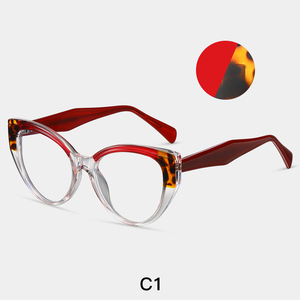
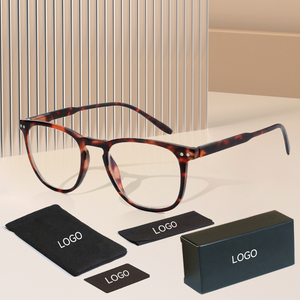
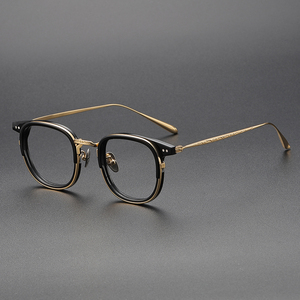
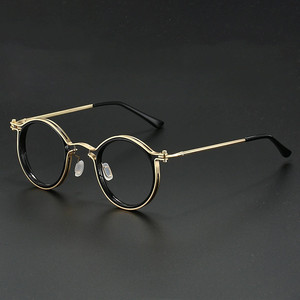
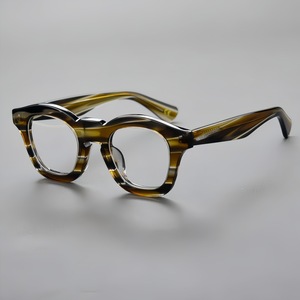
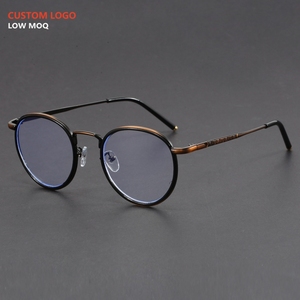
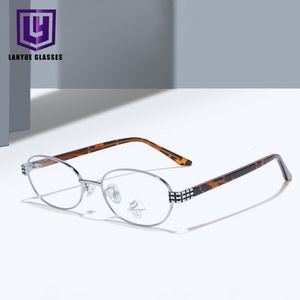
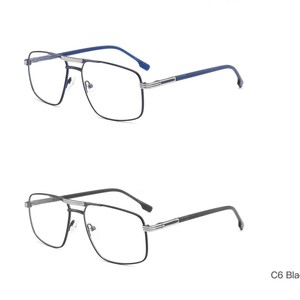
The global optical market has witnessed an structural pivot toward heritage eyewear architecture. Far from being a transient aesthetic fad, vintage eyeglass frames represent an enduring category commanding premium margins across both direct-to-consumer (D2C) boutique chains and independent dispensing optometrists. Driven by nostalgia, corporate casualization, and the rapid adoption of digital-screen protective eyewear, classic mid-century profiles—such as 1950s cat-eyes, 1960s Boston rounds, and 1970s wire aviators—now constitute over 38% of prescription optical frame reorders globally.
For wholesale distributors, private label operators, and category managers, identifying an established vintage eyeglass frames manufacturer & factory is not simply about acquiring retro styling. It involves securing an industrial partner with the structural capability to execute complex micro-milling, heat-tempered wire insertion, cellulose acetate curing, and precision multi-barrel hinge alignments. As prescription parameters expand toward high-index digital progressive lenses, vintage chassis designs must maintain precise lens channel depths, rigid bridge structures, and ergonomic weight distribution.
Vintage aesthetics rely on deep color striations, tortoiseshell gradients, and tactile substance. Traditional cotton-based acetate provides polishable longevity and thermal adjustability. Concurrently, injection and plate TR-90 variants deliver ultra-lightweight memory flexibility, making heritage silhouettes comfortable for 14-hour digital screen exposure.
A frequent failure mode in budget vintage eyewear is temple loose-play caused by weak pin rivets. S M Opticals integrates riveted 3-barrel, 5-barrel, and high-tension internal spring hinges, ensuring factory-tested cyclic stability over 25,000 opens and closures without alignment deviation or frame fatigue.
Prescription verification requires consistent base curves (Base 4 to Base 6) across vintage fronts. Our factory controls lens groove dimensions within a ±0.15mm tolerance threshold, accommodating bifocal, progressive, anti-fatigue, and blue-light neutralizing lenses without edge slippage or rim warping.
Direct comparison of core eyewear fabrication materials utilized across our Bhayander West factory lines to assist inventory planning specialists in optimizing retail counter portfolios.
| Substrate Category | Tensile & Flex Behavior | Finishing & Surface Treatment | Weight Profile | Target Consumer Segment | Primary S M Opticals Lines |
|---|---|---|---|---|---|
| Optical Cellulose Acetate | Thermal-pliable; internal core wire stabilization prevents deformation. | Multiple hand-tumbling stages, high-gloss wheel buffing, micro-chamfered edges. | Moderate to Substantial (26g–38g) | Boutique fashion opticals, executive classic collections, luxury private labels. | Optical Frame, Skechers, Gents Acetate |
| Polymide Engineering Polymer | High elasticity; exceptional crack resistance under continuous torsional load. | Satin matte, direct tone infusion, UV-stable anti-yellowing coating. | Ultra-Lightweight (14g–20g) | Active wearers, pediatric, daily corporate spectacle consumers. | Ultimate Premium, Kids Eyewear |
| Monel & Stainless Alloy Metal | Rigid structural shape retention; malleable temple tips with screw-locked eyewires. | Vacuum IP plating, micro-engraved filigree, corrosion-resistant passivated seal. | Lightweight (18g–24g) | Minimalist vintage enthusiasts, retro round wireframes, corporate rimless/semi-rim. | Fancy Eyewear, Saksham Series, JITO Metal |
| Thermoplastic TR-90 | Shape memory polymer; retains original calibration after severe mechanical deflection. | Soft-touch rubberized or crystal-clear gradient spray finishes. | Featherweight (12g–16g) | Fast-fashion retail, computer glasses, casual unisex multi-packs. | Colour Fashion, TR-90 Blues |
| Polycarbonate (PC) Composite | Rigid, high-impact threshold; ideal for standardized optical chassis. | Precision injection gloss or uniform matte; scratch-resistant topcoat. | Economical Balanced (19g–25g) | High-volume retail campaigns, promotional blue-light collections, institutional contracts. | First Choice, We Rise Collection |
The global eyewear landscape is evolving under new regulatory environments, shifting ergonomics, and digital work patterns. As procurement heads audit their supply chains, our production team outlines five strategic shifts reshaping vintage frame manufacturing over the coming decade:
Global optical retail conglomerates face strict ESG tracking. Future vintage acetate collections will replace phthalate-based plasticizers with plant-derived bio-acetates certified for biodegradability without sacrificing lustrous depth or thermal stability during optometric adjustment.
Pure vintage wire frames often pose fitting limits for high-minus prescription lenses due to exposed edge thickness. Next-generation vintage manufacturing fuses micro-thin polymide inner rims (windsor rings) within metal skeletons, masking lens edge depth while preserving classic 1930s architectural styling.
With screen time surpassing 8 hours daily across white-collar sectors, vintage frames are moving away from oversized heavy silhouettes. Sourcing demands focus on feather-weight classicism—delivering the appearance of heavy 1950s horn-rims while utilizing featherweight polymide injection cores to eliminate nasal bridge fatigue.
Direct from our manufacturing base in Bhayander West, Maharashtra, India. We deliver structural transparency, consistent batch manufacturing, and dedicated supply-chain stewardship.
No intermediaries, indenting agents, or shell traders. Direct transaction terms preserve your margin ceiling, backed by our verified GST manufacturing infrastructure.
Under the personal operational leadership of Dharamchand Maheshwari, our sales desk maintains a documented 88% prompt inquiry and callback resolution rate.
Every frame undergoes mechanical tension testing, multi-barrel hinge friction alignment, bridge symmetry check, and ultrasonic cleaning before batch boxing.
Organized model-wise, colorway-coded shipments engineered for seamless international customs clearance, inventory warehousing, and rapid retail deployment.
Clear, unedited answers addressing the commercial, technical, and regulatory questions most frequently raised by domestic optical chains and global importers.