 S M OpticalsSpectacle Frame Manufacturer · India
Sales Desk+91-8047836571
S M OpticalsSpectacle Frame Manufacturer · India Engineered for clinical optometry laboratories, retail dispensing desks, and wholesale optical distribution networks requiring precision, durability, and ergonomic patient fitting.
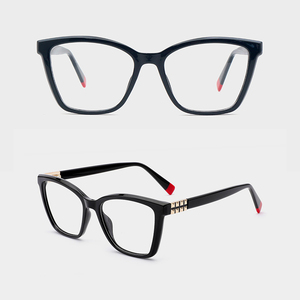
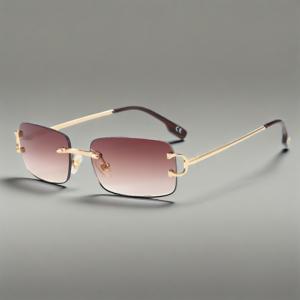


An ophthalmic trial frame is the mechanical cornerstone of subjective visual acuity assessment. While automated phoropters and autorefractors deliver rapid preliminary baselines, the definitive evaluation of binocular spatial coordination, balance, pantoscopic tilt compensation, and patient-perceived natural field of view relies strictly on the trial frame. For ophthalmology clinics, optometry chains, medical teaching hospitals, and defense vision qualification centers, sourcing trial frames that maintain sub-millimeter axial alignment across thousands of articulation cycles is imperative.
Clinical Precision Imperative: A deviation of merely 1.0 mm in Pupillary Distance (PD) or a 2-degree error in cylindrical lens axis rotation introduces induced prismatic distortion (Prentice’s Rule: Δ = c × F) and oblique astigmatic aberrations, directly degrading postoperative refractive surgery assessments and high-index progressive lens prescriptions.
Modern manufacturing facilities have transitioned away from heavy die-cast zinc-aluminum alloys toward ultralight aerospace titanium, surgical polyetherimide (Ultem), and high-grade polymide composites. These advancements address the clinical challenge of facial fatigue and nose-bridge slip during pediatric and geriatric refractive trials. Furthermore, the integration of CNC knurled rack-and-pinion movements ensures silky adjustment feel with zero mechanical backlash.
Full-aperture 38mm trial lens slots must exhibit precise radial tolerance (±0.05mm). Multi-cell designs require strict coplanar slot alignment to prevent tilt aberrations when stacking spherical, cylindrical, and prism lenses simultaneously.
Integrated corneal alignment gauges enable examiners to measure corneal apex distance relative to the posterior lens cell (range 0–16mm), essential for accurate high-diopter vertex compensation calculations.
Independent monocular PD adjusters (48mm to 80mm overall), variable pantoscopic angle brackets (-10° to +35°), and telescoping temple arms (90mm to 135mm) accommodate diverse global craniofacial profiles.
Comparative technical standard required by hospital procurement boards and international B2B importers.
| Functional Parameter | Standard Tier Spec | Clinical Premium Spec | Aerospace Titanium Tier | Regulatory Standard |
|---|---|---|---|---|
| PD Adjustment Range | 52 mm – 74 mm (±1mm) | 48 mm – 80 mm (±0.5mm) | 46 mm – 82 mm (±0.25mm) | ISO 9801:2009 / CE |
| Axial Astigmatism Scale | 5° increments (0°–180°) | 2.5° increments, high-contrast | 1° laser-etched vernier scale | DIN EN ISO 8624 |
| Lens Cell Capacity | 3 Front / 1 Rear | 3 Front / 1 Rear (360° rotation) | 4 Front / 2 Rear (Micro-damped) | Class I Medical Device |
| Total Instrument Weight | 72g – 85g (Aluminum/Brass) | 60g – 68g (Polymide Composite) | 48g – 54g (Titanium & Ultem) | Biocompatibility ISO 10993 |
| Bridge Height & Angle | Manual lock sliding (0-15mm) | Rack-and-pinion rack (0-20mm) | Dual-axis micro gear drive | FDA Class I (exempt) |
| Temple Articulation | Fixed length friction ear loop | Extendable 90-130mm notched | Flexible spring titanium memory | Salt Fog ASTM B117 |
A rigorous evaluation of premier manufacturing clusters across India, China, Japan, Germany, and Italy serving international B2B procurement channels.
Pioneering polymide, metal alloy, and lightweight optical trial assemblies. Operating directly under GST 27AILPM7839G1ZQ, providing factory-direct export pricing, zero middleman margins, and bespoke OEM assortment curation for retail and clinical chains.
Renowned globally for the gold-standard Universal Trial Frame UB series. German-engineered metrology offering laser-engraved scales and friction-free gearboxes, commanding premium institutional contract pricing.
Distinguished by hand-fitted brass and titanium alloy components. Highly sought after by hospital research universities for sub-degree axis accuracy and long-term mechanical reliability.
Integrated ophthalmic device manufacturing powerhouse supplying enterprise healthcare hospital tenders with complete trial lens sets and automated optometric refraction lanes.
Specializes in lightweight clinical trial frames featuring patented flexible nose bridges and soft temple grips designed to eliminate ocular center displacement on sensitive patients.
Master craftsmanship in medical optical components, delivering high-rigidity trial frames with black matte anodized surfaces that eliminate ambient specular reflections.
Massive production capacity for full-aperture trial frames and aluminum trial case accessories, serving emerging market government tenders and bulk retail optical chains.
Integrated lens-to-frame casting facilities with automated CNC lines focused on cost-effective Class I trial frame exports with CE mark and customized packaging options.
Combines European industrial styling with optometric diagnostic precision, engineering lightweight composite trial frames optimized for rapid prescription lens insertion.
Focuses on specialty optometry instruments, pediatric trial frames with low pupillary distances (down to 40mm), and ergonomic occluder sets for pediatric ophthalmology.
Global supply chain realignments, regulatory tightening under the European Medical Device Regulation (MDR 2017/745), and the integration of digital optometric workflows are fundamentally reshaping trial frame manufacturing:
Future trial frames will feature micro-optoelectronic sensors that wirelessly transmit real-time PD, vertex distance, and pantoscopic tilt data directly into Electronic Health Record (EHR) systems via Bluetooth Low Energy (BLE).
Escalating hospital sustainability mandates are forcing factories to transition from petroleum thermoplastics to castor-oil-derived bio-polymides (Rilsan Clear), cutting cradle-to-gate carbon footprints by over 45%.
Enterprise optometric networks are actively mitigating tariff bottlenecks and geopolitical disruptions by establishing direct OEM contracts with agile, high-precision manufacturers in India and Southeast Asia.
Factory-direct spectacle frames, polymide assemblies, and precision optometric trial devices
Direct technical answers addressing regulatory compliance, Minimum Order Quantities (MOQ), and quality verification protocols.
Ophthalmic trial frames must strictly adhere to ISO 9801:2009 (Ophthalmic instruments — Trial case lenses) and ISO 12867 (Ophthalmic instruments — Trial frames). Under US FDA regulations, trial frames are classified as Class I 510(k)-exempt medical devices, while under EU MDR 2017/745, they require Class I conformity documentation, technical file compilation, and CE marking.
Polymide provides high strength-to-weight ratios, dropping instrument weight from over 80 grams to under 58 grams. This prevents patient nose-bridge slippage and head-tilt artifacts during lengthy refractions. Polymide is also biologically inert, completely hypoallergenic, and impervious to skin sebum and perspiration degradation.
Direct factory orders typically require an MOQ of 50 to 100 units for standard catalog models, and 300 to 500 units for custom OEM branding (such as laser-etched hospital logos, bespoke PD color scales, or proprietary carrying cases). Evaluation samples are dispatched within 3 to 5 business days via international air express.
Every single frame undergoes three-stage quality testing: first, dial gear backlash checking on high-precision optical measurement benches; second, salt-spray corrosion resistance tests on all metal screws and springs; and third, tactile friction and temple retention torque inspections to guarantee effortless handling by optometrists.
Initiate a direct dialog with factory engineers. Whether you need custom OEM/ODM trial frame designs, bulk wholesale hospital pricing, or custom-assorted retail frames, our procurement desk is at your disposal.
Contact Us