
S M OpticalsSpectacle Frame Manufacturer · India Choosing the best Polarized Sunglasses in China depends on where and how you plan to wear them. A driver facing reflected light on a wet road has different needs from a hiker crossing a bright, rocky trail. That matters. Polarized lenses reduce glare from reflective surfaces, which can make outdoor views more comfortable. They do not automatically provide adequate ultraviolet protection, so check the UV-protection details separately.
A useful comparison should look beyond brand names and price tags. Check lens clarity, frame comfort, coverage around the eyes, and whether the fit stays secure when you turn your head. If possible, try the glasses outdoors and compare reflections on a car window or pavement. Check the fit. When shopping online, read the product specifications carefully and look for clear information about lens materials, UV protection, returns, and warranty support. Avoid relying on a dark tint or a polarization test alone; neither tells the whole story. Screens can also appear darker through polarized lenses, which may affect how some displays look.
Prices and availability vary across Chinese retailers, and a higher price does not guarantee a better fit. A modest pair may work well for everyday commuting, while frequent driving or outdoor use may justify more attention to durability and coverage. I would treat recommendations as a shortlist, not a verdict. There is no universal winner. The right choice balances glare reduction, verified protection, comfort, and dependable product information.
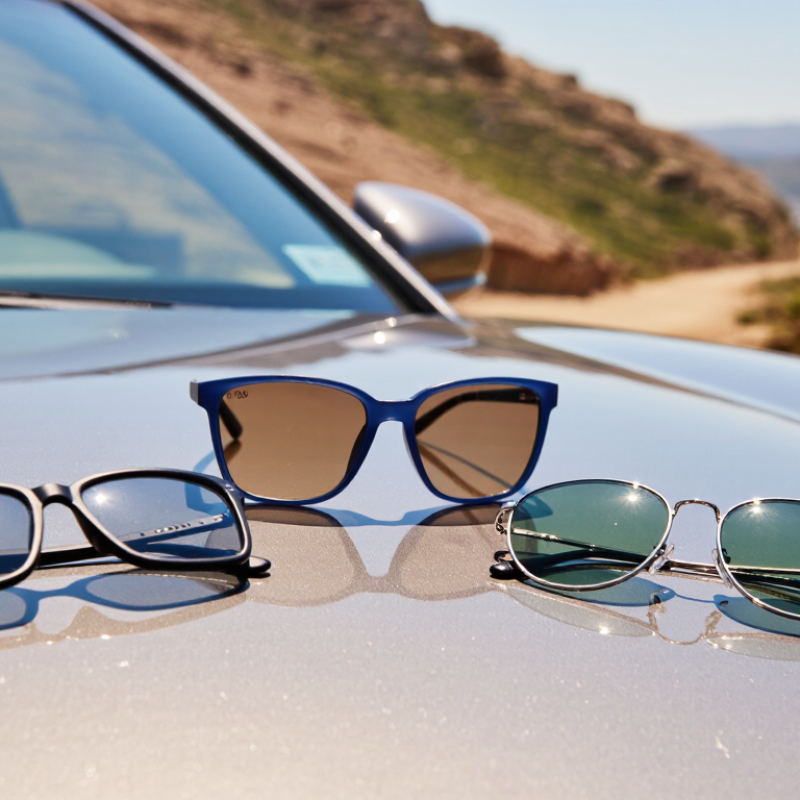
In China, strong sunlight can bounce off wet roads, glass buildings, and water. Polarized lenses contain a filter that blocks much of this reflected, horizontally polarized light before it reaches your eyes. The result is less harsh glare and clearer contrast, especially while driving or fishing.
Glare softens.
A useful pair should fit close enough to limit light entering around the sides, without pinching your temples. Check that the lenses have reliable ultraviolet protection; polarization alone does not guarantee it. Lens darkness is not proof either. A small detail matters: some phone and car displays may look dim or uneven through polarized lenses, so check your usual screens before buying.
The best choice depends on where you wear them. Gray lenses tend to preserve natural colors, while brown lenses can make contrast feel stronger in changing light. Neither works perfectly for everyone. I would compare comfort outdoors, not just under shop lighting, and inspect for clear vision without distortion. A quick screen test helps, but it is not a full quality check.
China’s conditions can change sharply between regions and seasons. Bright coastal roads, reflective water, high-altitude sunlight, and city streets each create different demands. Polarized lenses reduce reflected glare, especially near water and on wet pavement. They do not automatically block ultraviolet radiation, so check that the lenses provide reliable UV protection too. That distinction matters.
Lens darkness is not a dependable measure of protection. Very dark lenses can make shaded streets or tunnels harder to see, while polarization may make some phone and dashboard screens appear dim. Small details count. Look for lenses that fit close enough to limit light entering from the sides, yet feel comfortable during longer wear. For driving, check screen visibility before relying on a pair.
There is no single best choice for every part of China. A lighter, versatile tint may suit changing urban light; stronger glare control can help around open water or bright roads. Haze does not remove UV exposure, and clouds can make brightness deceptive. It is easy to focus only on glare, but comfort, coverage, and clear vision deserve equal attention. I would treat any one-feature recommendation with caution.
When comparing polarized sunglasses in China, separate glare control from ultraviolet protection. Polarized filters reduce reflected glare from roads, water, and glass.
They do not guarantee UV protection. Look for clear UV400 or 100% UVA/UVB specifications, supported by reliable product documentation. Dark lenses alone prove nothing. That distinction matters.
Lens tint should match where you spend time. Gray usually keeps colors relatively natural; brown can increase contrast on hazy roads. Neither is best for everyone.
Check that traffic lights remain easy to read, and remember polarized lenses may dim some phone or car displays. A quick outdoor test helps. So does checking the view from several angles.
Lens material affects weight and impact resistance, while scratch-resistant coatings can help with daily wear. They are not scratch-proof. Fit matters, too: lenses should cover the sides without slipping when you look down.
Specifications can sound impressive, but real comfort is less tidy. Compare them in daylight, not just under shop lighting.
Choosing polarized sunglasses in China starts with the activity, not the price tag. Polarized lenses reduce glare reflected from wet roads, water, and bright pavement, which can help during driving, fishing, or seaside walks. They do not automatically block ultraviolet rays. Check the product label for UV protection, and look for clear specifications rather than relying on a dark tint.
For driving, try the glasses in daylight and glance at your dashboard or navigation screen. Some polarized lenses make these displays harder to read. For cycling or hiking, a secure fit and wide coverage help keep wind and side light out; lightweight frames matter after several hours. At a lower budget, prioritize verified UV protection, comfortable hinges, and lenses without visible distortion. A higher price may buy better materials, but it does not guarantee a better fit.
Fit matters. Try them on, tilt your head, and check whether the frame slips or pinches. Lens color can affect contrast, but personal comfort varies, so test options in the conditions where you will wear them. One detail I would reconsider: polarized lenses are not ideal for every setting, especially when reading certain screens. Choose based on your routine, and keep a non-polarized pair if screen visibility is important.
How to choose a lens category for different activities and budgets
The chart shows visible light transmission (VLT) ranges for the filter categories used in the EN ISO 12312-1 reference system. Category 2 suits moderate light; Category 3 is commonly chosen for bright-sun activities and driving. Category 4 is intended for very intense light, such as glaciers, and is not suitable for road driving. Polarization reduces reflected glare, but does not determine UV protection: check the UV protection claim and applicable local compliance separately. Prices vary, so compare verified protection and fit rather than price alone.
When choosing polarized sunglasses in China, test the fit before judging the style. The frame should sit level, leave your eyelashes clear, and stay put when you look down. Check for pressure behind your ears after several minutes. Small gaps at the temples can admit glare, especially beside bright shop windows or on a reflective road. Check the edges, too. Ask for a sales receipt and product documentation identifying the maker, lens category, and applicable standard. A printed label alone cannot prove authenticity; unclear paperwork is a reason to pause. The World Health Organization estimates that up to 20% of cataracts may be caused or worsened by sun exposure, so UV protection matters beyond comfort.
Polarization reduces reflected glare, but it does not automatically block ultraviolet rays. Look for clearly stated 100% UVA and UVB protection, then confirm the claim through reliable documentation or independent testing. ISO 12312-1:2022 sets requirements for sunglasses intended for general use; check whether the product’s documentation cites this standard. Outdoors, rotate the lenses while viewing a reflective surface: glare should noticeably fade at one angle. A phone-screen test can be a clue, not proof. Not enough. Also check for visible distortion by viewing a straight doorframe through each lens and moving the glasses slowly. If the line bends, doubles, or looks uneven, choose another pair.
They reduce glare from water, wet roads, and bright pavement. That can help.
No. Check the label for clear UV protection information; lens darkness alone is not enough.
A lighter, versatile tint may feel more comfortable on streets and in shaded areas. Very dark lenses can make tunnels harder to see.
Try them with your dashboard and navigation screen in daylight. Some displays may look dim.
Choose a secure, comfortable fit with wide coverage. Lightweight frames feel easier after several hours.
They can reduce reflected glare in these settings. Still, check UV protection separately.
Not necessarily. Haze and clouds can make brightness misleading, so UV protection still matters.
No. A higher price may mean better materials, but it does not guarantee comfort or clear vision. Try them on.
Choosing the best Polarized Sunglasses in China starts with understanding how polarized lenses reduce reflected glare from roads, water, and other bright surfaces, helping make outdoor vision more comfortable. Because conditions can range from intense sunshine and reflective city streets to coastal light and mountain environments, consider sunglasses that suit where and how you plan to use them. Lens features such as UV protection, tint, clarity, and durability can all affect comfort and performance.
Match your choice to your activities and budget: everyday commuting, driving, hiking, and time near water may call for different levels of coverage and lens characteristics. Before buying, check that the frame fits securely without pinching or slipping, and inspect the lenses for clear, even construction. Look for reliable product information and test polarization with a suitable display or reflective surface when possible. Comparing comfort, lens performance, and build quality can help you choose a practical pair for regular use.