
S M OpticalsSpectacle Frame Manufacturer · India Choosing Ladies Spectacle Frames is part style, part practical fit. The right pair should sit comfortably, support clear vision, and feel natural through a full day. Face shape can offer a useful starting point, but it is not a strict formula. Personal taste matters. So does prescription, frame width, bridge fit, and where the lenses sit in front of your eyes.
The World Health Organization’s World Report on Vision (2019) estimated that at least 2.2 billion people worldwide have near or distance vision impairment. That figure explains why eyewear is more than an accessory. The Vision Council’s Consumer inSights research also tracks eyewear use and consumer purchasing behavior in the United States, offering industry context for how people choose frames. For 2026, this guide will connect those practical concerns with face-shape styling, from soft oval faces to angular jawlines. A round frame may add contrast to a square face; a wider browline may complement a heart-shaped face. These are suggestions, not rules. Frames vary, and one measurement can change the fit.
Expect clear comparisons of frame shapes, proportions, materials, and everyday comfort. Look closely at the bridge and temple fit, not just the mirror view. Small details count. A frame can photograph beautifully yet slide down after an hour. This guide aims to make selection easier, while admitting that face-shape charts sometimes oversimplify real people. Try, compare, and trust comfort as much as convention.
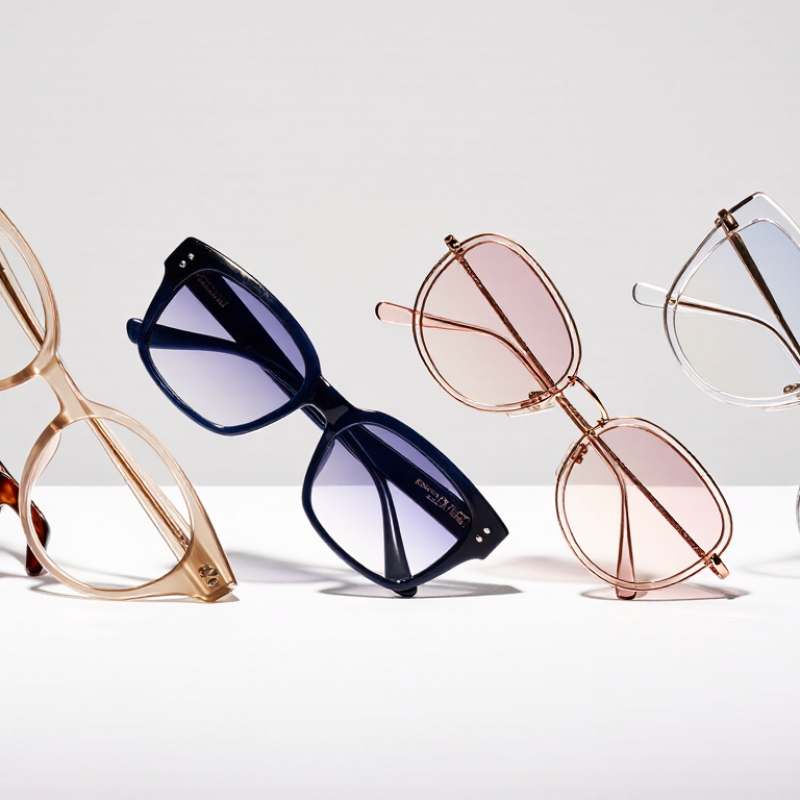
A ladies’ spectacle frame in 2026 is defined less by a fixed silhouette than by how it fits, feels, and works with daily life. The World Health Organization’s World Report on Vision (2019) estimates that at least 2.2 billion people have near or distance vision impairment worldwide. That scale makes clear vision and comfortable wear practical priorities, not finishing touches. A frame’s bridge should sit securely without pinching, while its temples should rest evenly behind the ears. Small details matter.
Current designs span narrow, oversized, rounded, and angular shapes, with gendered styling becoming less useful as a fit guide. Face shape can suggest proportions, but it cannot predict comfort on its own. The ISO 12870 standard sets requirements and test methods for spectacle frames, including construction and materials. It offers a useful technical reference, though it cannot tell you whether a frame will slide during a long commute. Try it on. Check the fit with your usual prescription lenses, since lens thickness and weight can change how a frame feels. I still think the “perfect face-shape match” idea gets too much attention; a slightly imperfect-looking frame may simply feel better.
Face-shape labels are starting points, not rules. In a fitting room, check how a frame balances your features from the front and side. For a round face, softly angular or rectangular frames can add definition, while very small circles may feel crowded. A square face often pairs comfortably with oval or rounded edges that soften strong lines. Try it in daylight.
For an oval face, many shapes work; frame width and bridge fit matter more than a strict formula. Heart-shaped faces may feel balanced with lighter lower rims or narrow, gently curved styles. Long faces can benefit from deeper lenses or visible temple details, which add visual width. These are tendencies, not measurements. Hair, brows, and personal style can change the effect.
Look beyond the outline. The frame should sit level, leave eyebrows visible where possible, and avoid pressing your cheeks when you smile. If your lenses are strong, ask an optician how lens thickness and frame size may affect the result. A mirror can flatter or distort; photos from several angles can help, though they are imperfect too. A frame may look ideal on paper yet feel wrong after an hour. Comfort is easy to underestimate.
2026 Best Ladies Spectacle Frames for Every Face Shape
Which Frame Styles Suit Each Face Shape
For a round face, angular frames can add definition. Try rectangular or softly geometric shapes, and check that the frame is not wider than your cheeks. Square faces often pair well with rounded or oval frames. Their curved edges can soften a strong jawline without hiding it. Small adjustments matter.
Oval faces suit many styles, from classic rectangles to gentle cat-eye shapes. Aim for frames close to your face’s widest point, rather than choosing oversized styles automatically. For heart-shaped faces, look for lighter-looking lower rims or narrow frame fronts. These can balance a broader forehead and tapered chin. Long faces may benefit from deeper lenses or decorative temples, which add visual width. Face-shape guides are only starting points; bridge fit, lens height, and comfort matter just as much. A flattering frame can still slide or press behind the ears.
Tips: Check the fit in a mirror from the front and side. Your pupils should sit near the lens centers, and the frame should feel secure without pinching. Bring a photo in natural light if you are comparing styles. I still find that “perfect” face-shape rules can miss personal taste. Choose what feels right on your face.
For 2026 ladies’ spectacle frames, compare materials by how they feel after several hours, not just how they look in a display. Acetate often feels warm and comes in varied colors, but thicker rims can feel heavy. Metal frames usually look lighter and allow some adjustment; check that the nose pads sit evenly. Titanium can be very light, though the fit still matters more than the label. Sensitive skin? Ask about the frame’s metal composition.
Fit is more than matching frames to a face shape. A round face may suit angular lines, while softer curves can balance a square jaw, but these are starting points, not rules. Small details matter. Check that pupils sit near the lens centers, the bridge stays put when you look down, and the temples rest without pinching. If frames slide during a short try-on, they may need adjustment—or a different bridge shape. I once chose a pair by color alone. It looked right, but left marks by lunchtime.
Lens choices should match your prescription and daily routine. Higher prescriptions may need thinner lenses, though frame size and lens design also affect thickness. Anti-reflective coating can reduce distracting reflections on screens or at night; scratch-resistant coatings help, but do not make lenses scratch-proof. For progressive lenses, accurate measurements and careful fitting are especially important. Ask an optician to confirm lens options and fit with your prescription in hand. A mirror cannot show everything.
Use these suggestions as starting points rather than strict rules. Face shape labels are approximate, and comfort, prescription, personal style, and accurate measurements matter more than matching a frame to a category.
| Face shape | Styles to try | Fit and proportion checks | Material considerations | Lens considerations |
|---|---|---|---|---|
| Oval Face length is usually greater than its width, with a gently rounded jaw. |
Many shapes can work, including rectangular, round, cat-eye, and geometric frames. | Look for a frame width close to the widest part of the face. Keep the frame in proportion to facial features; very oversized frames may dominate a smaller face. | Acetate offers a range of colors and a substantial feel. Metal frames can provide a lighter, finer profile. | Choose lens size and shape based on prescription and pupillary distance. For stronger prescriptions, ask an optician whether a smaller, well-centered lens can reduce edge thickness. |
| Round Face length and width are similar, with softer contours. |
Rectangular, square, and softly angular shapes can add visual definition. | Try frames that are slightly wider than their height. Check that the frame does not press at the temples or extend excessively beyond the face. | Lightweight metal can keep a larger frame comfortable. Acetate is another option when the bridge and temples fit securely. | Lens shape does not change vision correction, but lens height affects available room for progressive designs. Confirm suitability with an eye-care professional. |
| Square Face length and width are similar, with a more defined jaw and forehead. |
Round, oval, or gently curved styles can soften the overall look. | Check that the frame follows the natural width of the face without pinching at the temples. A curved bridge or adjustable nose pads may help with stability. | Metal frames with adjustable nose pads can allow fine fit adjustments. Acetate frames may work well when the bridge shape matches the nose. | For progressive lenses, ask about adequate lens depth and fitting height. Lens design and frame dimensions should be checked together before ordering. |
| Heart Forehead is often wider than the chin, with a narrower lower face. |
Oval, round, or lower-profile frames may balance facial proportions; lighter-colored or fine-rim designs are also worth trying. | Choose a width that sits comfortably without extending too far at the temples. Make sure the frame stays in place when looking down. | Lightweight metal or thin acetate can reduce the visual weight of the frame. Adjustable nose pads may improve positioning. | Lens weight and frame stability are worth comparing, especially for higher prescriptions. An optician can advise on lens material and frame compatibility. |
| Diamond Cheekbones are often the widest point, with a narrower forehead and jaw. |
Oval, cat-eye, and softly curved frames can complement prominent cheekbones. | Check for cheek contact when smiling and ensure the frame does not rest on the cheeks. The frame should sit level and remain stable during normal movement. | Frames with adjustable nose pads can help create cheek clearance. Acetate can also fit comfortably when the bridge and frame angle are suitable. | Ask for an in-person fit check if the lower lens edge touches the cheeks. Lens shape and fitting position should be verified before final edging. |
| Oblong Face is longer than it is wide, with relatively straight sides. |
Deeper rectangular, oval, or softly upswept frames can add visual width and balance. | Consider a lens with enough vertical depth for the intended use. Temple length and frame width should feel secure without pressure. | Acetate can provide a more substantial look; metal can be lighter. Comfort depends on the frame’s weight distribution and fit, not material alone. | Progressive lenses generally need adequate vertical fitting space. Confirm the minimum fitting height with the optician for the specific lens design. |
| Option | Typical characteristics | Potential advantages | Points to check |
|---|---|---|---|
| Acetate | A commonly used plastic frame material, available in many colors and patterns. | Can offer a substantial feel and a wide choice of styles. | Fit depends on bridge shape and frame dimensions. Some acetate frames can be adjusted by an optician; do not try to reshape them with heat at home. |
| Metal alloys | Metal frames vary by alloy, construction, and finish; weight and flexibility are not the same for every frame. | Often allow a fine, lightweight-looking profile. Some designs include adjustable nose pads. | Check for secure, comfortable nose-pad contact and any sensitivity to particular metals. Ask about material composition if you have a known allergy. |
| Titanium | A lightweight metal used in some frames; frame construction and coatings vary. | Can be a useful choice when low frame weight is a priority. | Confirm the frame is comfortable and fits securely. “Titanium” does not by itself guarantee a particular fit or allergy profile for every component. |
| Standard plastic lenses | Commonly offered in a standard refractive-index option, often around 1.50, depending on the lens supplier. | Can suit many prescriptions and everyday uses. | Ask for a lens recommendation based on prescription, lens size, frame choice, and thickness expectations. |
| Polycarbonate lenses | A lightweight lens material with high impact resistance compared with standard plastic lenses. | Often considered for children’s eyewear, active use, and situations where impact resistance is important. | Optical performance and coating options can differ from other materials. Confirm suitability for your prescription and intended use. |
| Trivex lenses | A lightweight lens material known for impact resistance and optical properties valued in some prescriptions. | May be considered for rimless or drill-mounted designs when recommended by the optician. | Availability, cost, and prescription suitability vary. Compare the finished lens options rather than choosing by material name alone. |
| High-index lenses | Higher-index materials bend light more efficiently than lower-index materials, allowing thinner lenses for some prescriptions. | May reduce lens thickness, particularly for stronger prescriptions. | Results depend on prescription, frame size, lens design, and centration. Compare thickness and cost estimates with an optician; a smaller frame can also help. |
| Anti-reflective coating | A surface treatment intended to reduce reflections from the lens. | Can reduce distracting reflections, including reflections from lights and screens. | Coatings differ in durability and cleaning requirements. Follow the supplier’s care instructions. |
| Photochromic lenses | Lenses that darken in response to ultraviolet light; performance varies by lens type and environment. | Can provide a convenient change in tint between some indoor and outdoor settings. | Darkening may be limited inside vehicles, depending on the product and windshield UV filtering. They do not replace dedicated sunglasses in every situation. |
| Polarized sunglasses lenses | Lenses designed to reduce glare from reflective surfaces such as water or roads. | Can improve comfort in bright, glare-heavy outdoor conditions. | Some screens may appear dim or distorted at certain angles. Polarization is a glare feature, not a substitute for the required UV protection rating. |
Fit check: A well-fitting frame should sit level, feel secure without painful pressure, and keep the lenses correctly positioned in front of the eyes. Have frame adjustments and prescription measurements checked by a qualified optician.
A flattering frame is only a good choice if you can wear it comfortably for hours. Face shape offers a helpful starting point, not a strict rule. Soft, rounded frames can balance a defined jaw, while angular styles may add structure to fuller cheeks. Oval faces often suit many shapes, but proportion still matters. Try the frame on and check how its width sits against your temples.
Comfort comes from small details. The bridge should rest steadily without pinching or sliding when you look down. Temples should feel secure, not press behind your ears. Notice the weight on your nose after several minutes. Too tight? It may become distracting by afternoon. Your eyes should sit near the center of each lens, and the frame should not block your natural view. An optician can check the fit and adjust many frames.
Personal style is less predictable than face-shape charts suggest. Choose a color that works with clothes you actually wear, not just one striking outfit. Bring a trusted friend, or take a photo in natural light. Then compare the frames with your everyday look. I might still choose the less “perfect” pair if it feels more like me. Comfort counts.
Try rectangular or softly geometric frames. Avoid very small circles if they feel crowded. Check that the frame does not extend beyond your cheeks.
Rounded or oval edges may soften a strong jawline. Keep the frame comfortable and make sure it does not hide your features.
Many shapes can work, including classic rectangles and gentle cat-eye styles. Frame width and bridge fit matter more than a strict rule.
Lighter lower rims or narrow fronts can balance a broader forehead and tapered chin. Try them from the side, too.
Deeper lenses or visible temple details may add visual width. The effect varies, so compare a few styles in natural light.
The frame should sit level and avoid pressing your cheeks when you smile. Your eyebrows should remain visible where possible.
They should sit near the lens centers. The frame should feel secure without pinching behind your ears.
Yes. A frame may look ideal in a mirror but slide or press after an hour. Comfort is easy to underestimate.
No. Hair, brows, personal taste, and bridge fit can change the result. Even photos from several angles can mislead a little.
Choosing the right pair of Ladies Spectacle Frames in 2026 means balancing appearance, fit, and everyday function. Start by considering your face shape: round faces may benefit from angular frames, while square faces can look softer with rounded styles. Oval faces often suit a wide range of designs, and heart-shaped faces may feel balanced in frames that are wider at the bottom. These are helpful starting points, not strict rules—personal preference matters most.
Compare frame materials for weight, flexibility, and durability, then check that the width, bridge, and temple arms feel secure without pinching or slipping. Lens options should match your vision needs and daily activities, while the frame’s color and shape should complement your features and personal style. A comfortable, well-fitting pair that feels like you is the best choice.