1. Understanding Critical B-Measurement & Segment Placement Geometry
When commercial procurement managers source general optical spectacles, bridge width and total temple length dominate specification sheets. However, for bifocal optical frames, the paramount optical parameter is the B-dimension (vertical lens depth). Standard bifocal lenses (whether Flat-Top 28, Flat-Top 35, Curved-Top, or Executive designs) demand a minimum B-measurement of 28mm to 36mm to guarantee clinical functionality. If the vertical depth is inadequate, the reading segment line inevitably falls below the physiological near visual axis or the bottom eyewire truncates the reading reading field, forcing the patient into severe neck extension and triggering postural fatigue.
At S M Opticals, our engineering team in Bhayander West models every bifocal chassis using computer-aided parametric sweeps. We ensure the segment datum line retains at least 13mm to 16mm of uninterrupted depth below the optical center (OC) while providing a comfortable 15mm to 18mm distance corridor above the lower eyelid margin. This spatial layout provides optical finishing labs sufficient latitude to edge lenses without shearing off segment edges or introducing unwanted horizontal decentration errors.
2. Mechanical Eyewire Rigidity & Bevel Profile Integrity
Bifocal and progressive lenses incorporate localized changes in surface curvature, leading to non-uniform edge thicknesses across the perimeter. A standard CR-39 flat-top lens possesses marked base curve divergence between the carrier lens (+4.00D to -6.00D) and the reading shelf (+1.50D to +3.50D). In poorly engineered, thin-gauge plastic frames, the differential hoop stress induced during cold snap-in or warm glazing causes eyewire splay, frame skewing, and unsightly gaps at the temporal corners.
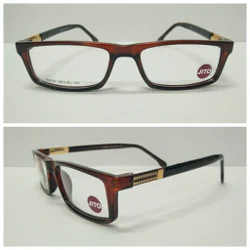
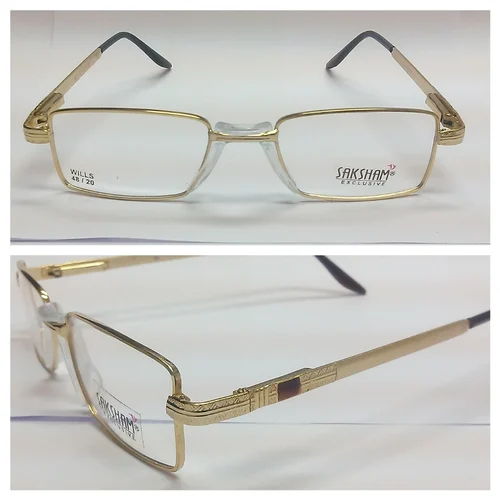
S M Opticals eliminates lens retention failure through deep-channeled 115° optical bevels milled into both our cellulose acetate sheets and CNC-turned metal eyewires. For our Mens Bifocal Eyewear collection, we utilize tempered nickel-silver barrel joints and precision-machined rim locks with high-yield M1.4 alloy screws. This rigid construction prevents eyewire torque during heating and lens insertion, maintaining absolute optical axis alignment and preventing lens rotation or accidental blow-outs.